The Real Reason Your Tofu Cat Litter Smells Bad (It’s Not the Fragrance)
Last week a distributor called me with a familiar complaint:
“Our latest batch from the other factory has a strong beany smell. Customers are noticing. Fragrances aren’t covering it.”
I’ve heard this story many times. And the answer is almost never the fragrance additive.
It’s the raw material.
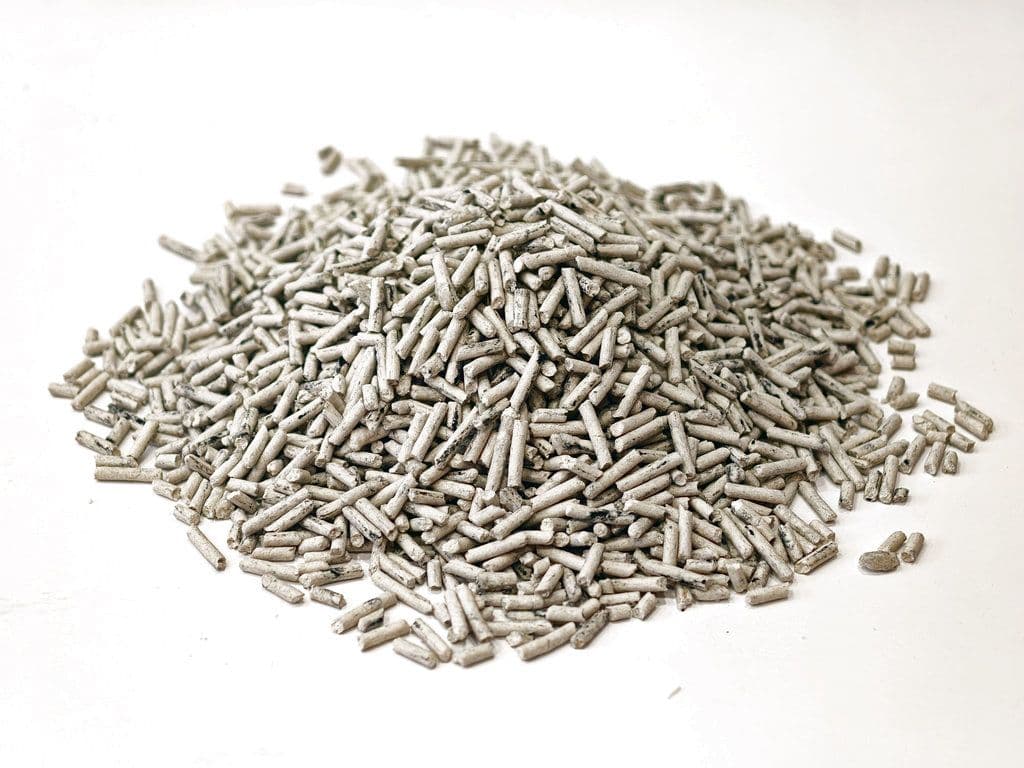
High-quality tofu cat litter is made from pea fiber and soybean okara — the residue left after protein extraction. That protein goes into tofu, soy sauce, and plant-based supplements. What’s left is wet pea residue, an agricultural by-product that can be upcycled into highly absorbent, fully biodegradable litter.
But here’s the critical window most people ignore:
Wet pea residue begins to spoil within 4–6 hours.
The moment protein is extracted, fermentation starts. If that wet pulp is not dried into powder almost immediately, it develops a rancid, beany odor. No amount of perfume can fully mask it later. Worse, the finished litter becomes more prone to mold and sour smells once it hits humid conditions in a customer’s home.
Many factories buy cheaper, already-compromised material that has traveled long distances or sat for hours (sometimes days) before drying. The result is a product that claims to be “natural” but introduces odor and bacterial risk into homes. Heavy fragrance is then added as a band-aid — creating that unpleasant floral + rotten-bean combination customers hate.

At Sunbow Pet we refuse to work that way.
- We only source from partners who dry the wet residue within 2 hours of extraction.
- Every incoming batch of pea fiber powder is tested for odor, moisture, and mold.
- Production happens in a controlled, closed-loop environment that monitors temperature and humidity.
Our simple rule:
If the raw material isn’t perfect, the final product will never be good enough.
Distributors and brand owners: if you’re dealing with odor complaints, rising return rates, or customers who say “it smelled fine in the bag but turned musty after a few days,” the problem is almost certainly upstream.
Quality control isn’t a slogan. It’s a daily practice that starts the second the protein is extracted.
If you’d like to see the difference in samples or discuss private-label collaboration built on this standard, feel free to reach out.
Honest materials. Superior performance. Easier selling.