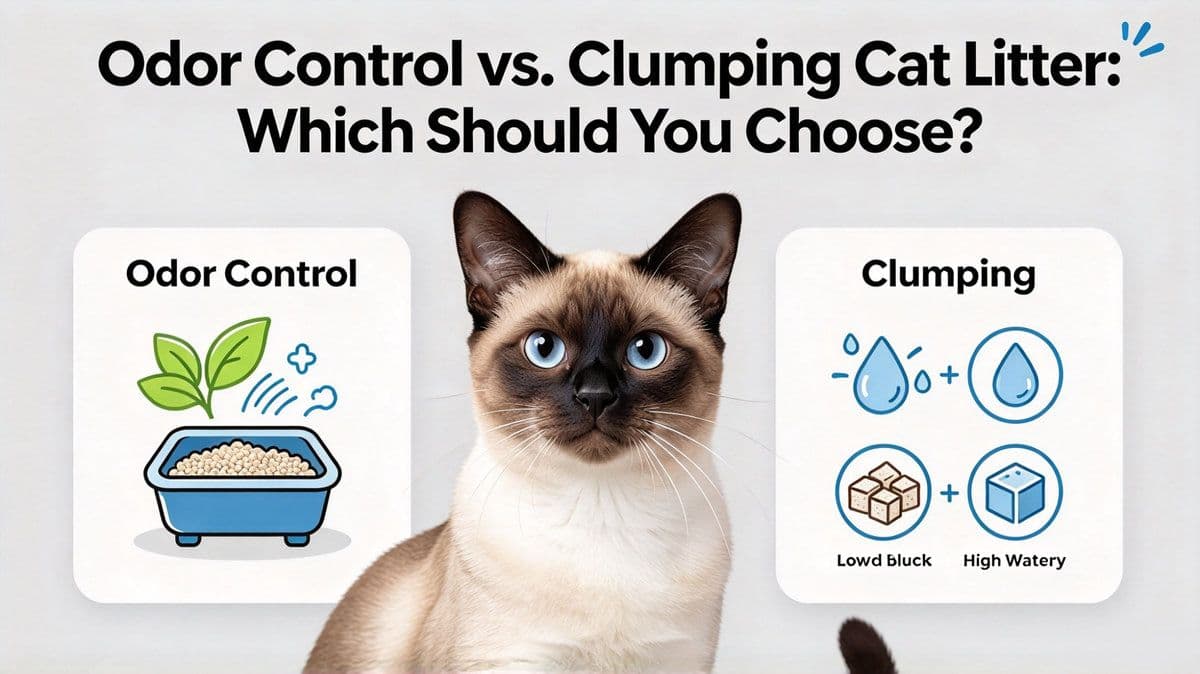
If you’ve ever stood in front of a shelf full of cat litter, trying to decide which bag to buy, you’ve probably wondered whether odor control or clumping should be your top priority. One promises a fresher-smelling home, while the other makes scooping easier and less messy. So, which matters more?
The truth is, you don’t necessarily have to choose between the two. Odor control and clumping aren’t separate types of cat litter. They’re two features that work in different ways, and most cat litters offer some degree of both. What sets them apart is how well they perform in each area and which ingredients are used to achieve those results.
At Sunbowpet, we work with cat litter formulations and private-label products for international markets. As a tofu cat litter OEM manufacturer serving customers in more than 40 countries, we understand why both cat owners and brands look for the right balance between odor control and clumping. In this guide, we’ll explain how these features work, where each one makes a difference, and how to choose a litter that suits your home.
Odor Control vs. Clumping: What’s the Difference?
Let’s start with odor control.
One of the main sources of unpleasant smells in a litter box is ammonia, which can develop as urine breaks down through microbial activity. Odor-control ingredients help manage these smells by absorbing odor-causing compounds, reducing their formation, or neutralizing them before they become noticeable.
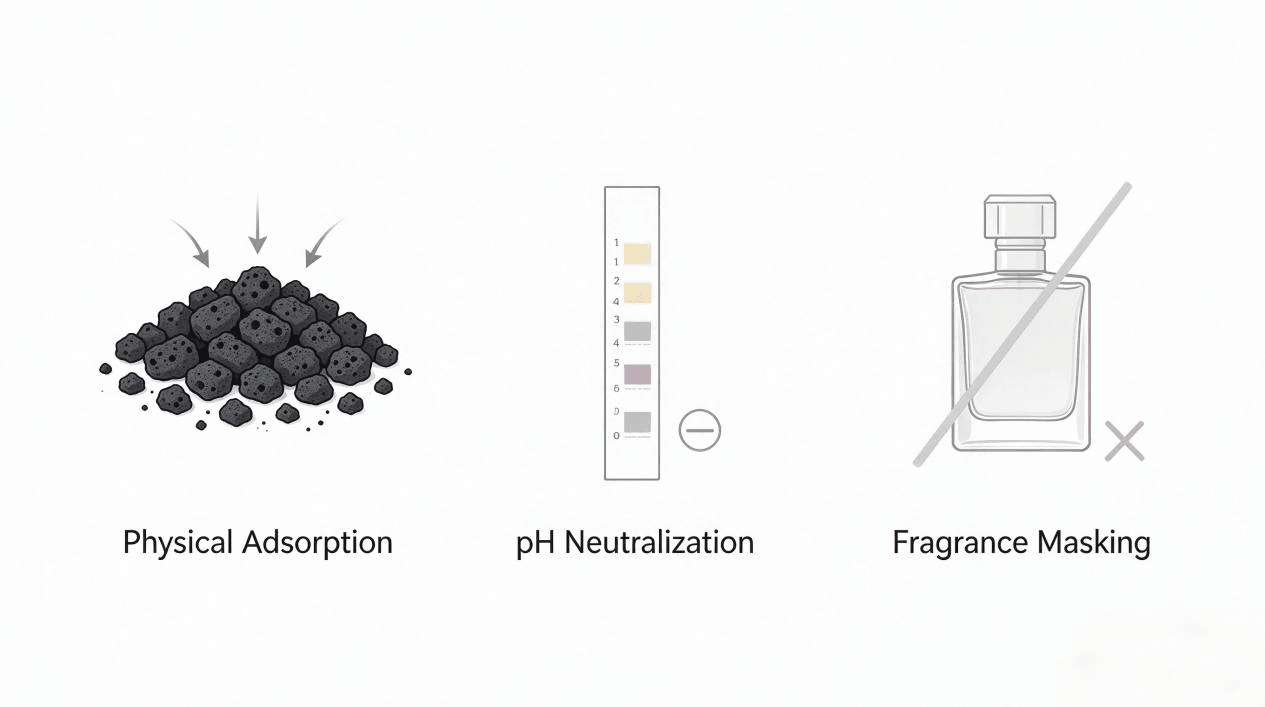
There are several common approaches to odor control in cat litter.
- Physical adsorption: Activated charcoal, bamboo charcoal, and other porous materials can capture certain odor-causing compounds on their surfaces. This is one reason bamboo charcoal is often added to premium plant-based litters, including tofu cat litter.
- Odor neutralization: Baking soda and other odor-control ingredients can help neutralize certain unpleasant smells. Their effectiveness depends on the formulation and the types of odor compounds involved.
- Fragrance masking: Some litters use added fragrance to cover unpleasant smells rather than directly addressing their source. Strong scents may be overwhelming for some cats, so fragrance-free or lightly scented formulas can be worth considering.
However, good odor control doesn’t necessarily mean easy cleanup. Traditional non-clumping silica crystal litter, for example, absorbs moisture and helps manage odors but doesn’t form solid clumps that can be scooped out individually. Depending on the product and how it’s used, the litter may need to be replaced periodically according to the manufacturer's instructions.
Clumping, on the other hand, is all about making waste easier to remove.
When litter absorbs urine, the granules bind together to form a solid mass. You can scoop out the waste while leaving most of the clean litter behind.
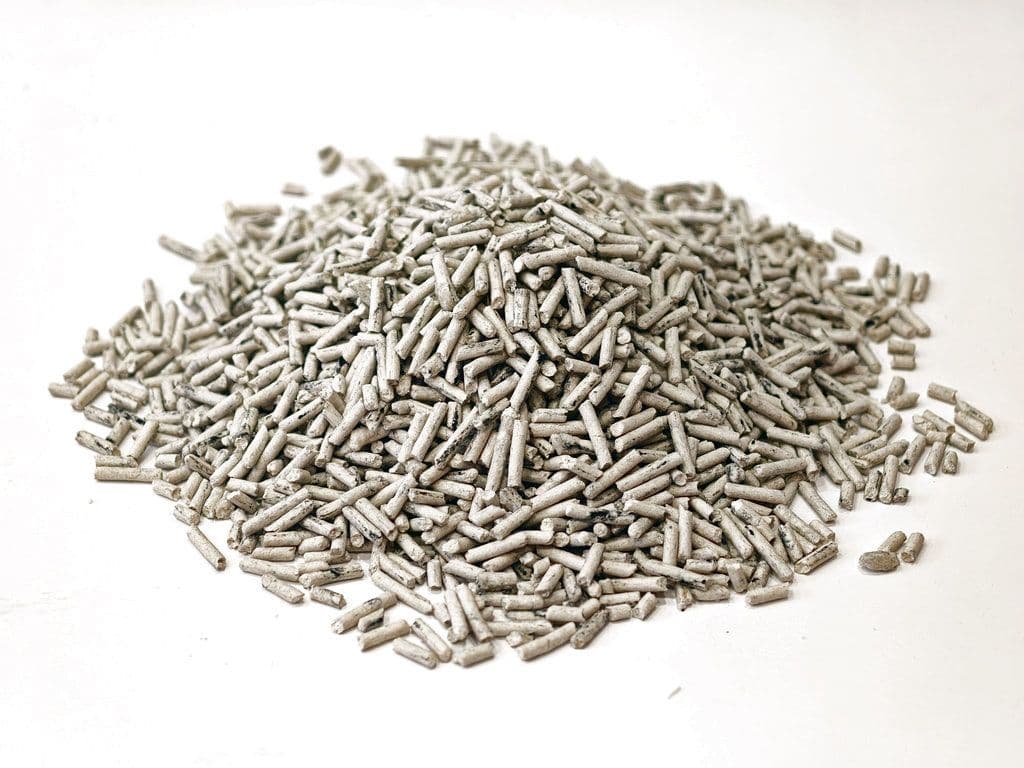
Traditional clay litter typically relies on sodium bentonite, which swells when exposed to moisture and forms clumps. Tofu cat litter works differently. Plant-based binders, including starch, help the granules stick together when they come into contact with liquid. With the right formulation, tofu litter can form firm, easy-to-scoop clumps without relying on clay.
Clumping can also help contain some odors by trapping urine inside the clump, making it easier to remove the source of the smell. But it isn’t a substitute for odor control. If used litter stays in the box too long, unpleasant odors can still develop, even when the litter forms solid clumps.
When Does Each Feature Matter Most?
There’s no single answer that works for every household. The right balance depends on your living space, how many cats you have, and how often you clean the litter box.
When Odor Control Should Be a Priority
Odor control deserves extra attention if:
- You live in a small apartment or a home with limited ventilation.
- You have multiple cats sharing litter boxes.
- You want to keep litter box odors under control between cleaning sessions.
- Strong smells are particularly noticeable or unpleasant in your household.
In these situations, a litter with effective odor-control ingredients can make everyday life more comfortable.
Keep in mind, though, that odor control alone doesn’t necessarily make a litter economical or convenient. If it doesn’t clump, you may need to replace the litter more frequently, depending on the product and how quickly it becomes saturated or soiled.
When Clumping Should Be a Priority
Clumping litter is a practical choice if:
- You prefer to scoop out waste every day.
- You want to remove soiled litter without throwing away the entire contents of the box.
- You value straightforward cleanup and want to make better use of the litter you buy.
- Your cat prefers a familiar, scoopable texture.
One thing to consider is dust, particularly with some lower-cost clay litters. Fine particles can become airborne when you pour the litter or when your cat digs, potentially irritating sensitive airways. If your cat has respiratory problems, choosing a low-dust formula is especially important.
Ultimately, the goal isn't simply to find the litter that clumps the hardest or masks the most odor. It's to find one that performs well in both areas while remaining comfortable for your cat.
Can Cat Litter Offer Both Strong Clumping and Effective Odor Control?
Yes, and this is a common consideration when developing private-label cat litter.
A well-designed tofu cat litter formula can combine plant fibers and suitable starch binders for fast, firm clumping with bamboo charcoal to help adsorb certain odor-causing compounds. The challenge is achieving the right performance at the right price.
A formula designed for the premium market may use a higher proportion of odor-control additives or carefully selected binding ingredients. A more cost-conscious product may use a different ingredient balance to meet its target price while maintaining acceptable clumping and odor-control performance.
These decisions affect more than just the product's performance. They can also influence raw material costs, production consistency, and the overall value a brand offers its customers.
For manufacturers, this is where formulation and production experience become important. The proportions of plant fibers, binders, and functional additives all contribute to the final product's performance. Small adjustments can affect clump strength, absorption, dust levels, and odor management.
At Sunbowpet, we work with brands to develop cat litter products that align with their target markets and product requirements. If you're interested in how private-label products move from initial requirements to finished products, you can explore our OEM/ODM Process page.
For cat owners, the takeaway is simple: you don't necessarily need to sacrifice one feature to get the other. A well-formulated litter can provide both, although the actual results will vary from product to product.
How to Choose the Right Cat Litter for Your Home
If you're still unsure which type to buy, start with four practical questions.
1. How Often Do You Scoop?
If you scoop every day, a good clumping litter can make cleanup easier and help keep odors under control by allowing you to remove soiled litter promptly.
If your routine is less predictable, odor-control performance may become more important. However, no litter can replace regular scooping and routine litter box maintenance. Even the best odor-control formula will struggle if waste is left in the box for too long.
2. How Much Space Do You Have?
A home with good ventilation and a separate area for the litter box may be more forgiving when it comes to odor management.
In a studio apartment or a small room, odors can become noticeable much more quickly. In that case, a litter that combines effective odor control with reliable clumping is often a sensible choice, even if you have only one cat.
3. What Does Your Cat Need?
Your cat's comfort should always come first.
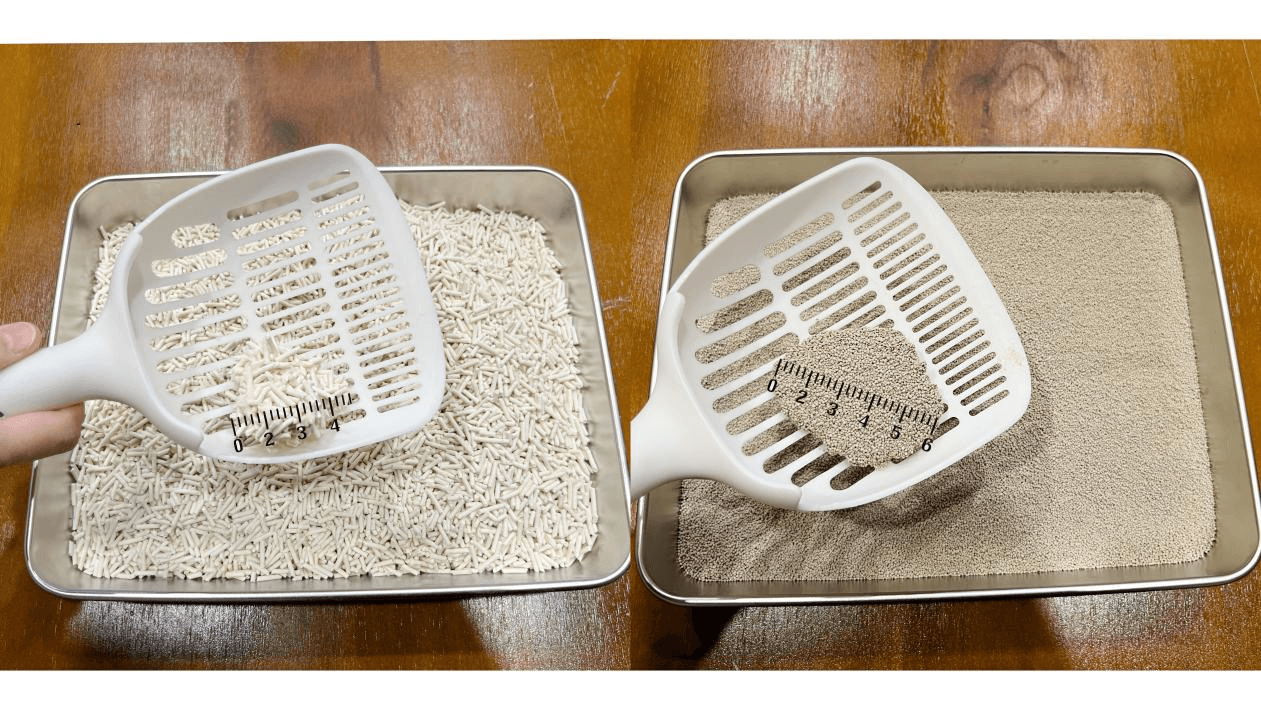
Kittens, senior cats, and cats with sensitive paws may benefit from a softer, more comfortable litter texture. Tofu cat litter is worth considering because its plant-based pellets are often relatively gentle underfoot, and well-made formulas can produce very little dust during normal use.
However, not all tofu litters are identical. Pellet size, texture, dust levels, and clumping performance vary by formulation. If your cat has respiratory sensitivities, look for a low-dust product and consult your veterinarian when needed.
If you're considering tofu litter, take a look at Sunbowpet's Classic Dust-Free Tofu Cat Litter to learn more about this product option.
It's also worth paying attention to your cat's preferences. A litter that performs well on paper won't be much help if your cat refuses to use it.
4. What's the Real Monthly Cost?
The cheapest bag isn't always the most economical option.
Clumping litter can last longer because you generally remove only the soiled portions, while non-clumping litter may require more frequent full replacements. Actual usage depends on the product, the number of cats, and how often the box is cleaned.
Instead of comparing prices per bag alone, track how much litter you use over a month. This gives you a more realistic picture of the ongoing cost and makes it easier to compare different formulas.
Three Common Mistakes to Avoid When Switching Cat Litter
Even a good litter can disappoint if you introduce or use it incorrectly. Here are three mistakes worth avoiding.
1. Switching Too Quickly
Cats can be particular about the texture and smell of their litter. Replacing all the old litter at once may put some cats off, especially if the new product feels or smells unfamiliar.
A gradual transition is usually a better approach. Start by mixing in a small amount of the new litter, then gradually increase the proportion over about a week, provided your cat is comfortable with the change.
For example, you could begin with roughly 25% new litter and 75% old litter, adjusting the ratio every day or two. If your cat starts avoiding the box, slow the transition down rather than forcing the change.
This approach works for most litter switches, whether you're moving from clay to tofu litter or trying a different formula.
2. Not Using Enough Litter
Clumping litter needs enough depth for urine to bind the granules together before reaching the bottom of the tray.
A depth of around 2–3 inches is a useful starting point for many clumping litters, although the ideal amount depends on the product and your cat's habits. If the layer is too shallow, urine may reach the bottom of the box and form clumps that are difficult to remove cleanly.
Those broken clumps can leave residue behind, making the box harder to maintain and potentially contributing to lingering odors.
Always check the manufacturer's recommendations and adjust the depth based on how well the litter performs in your own box.
3. Judging the Litter Too Soon
It's tempting to decide whether a new litter works after just a day or two, but that may not give you the full picture.
You need enough time to see how well the litter performs during regular use, how easy it is to scoop, whether odors remain manageable, and how your cat responds to the texture.
Give the new litter about a week to evaluate its day-to-day performance, as long as your cat is using the box comfortably. If your cat consistently avoids it or shows signs of discomfort, don't wait just to complete the trial.
A little patience can help you make a more informed decision without overlooking a product that might work well for your household.
Final Thoughts
When it comes to odor control vs. clumping cat litter, you don't necessarily have to pick a side. These features serve different purposes, but the right formula can deliver both.
The best choice is the one that fits your cat's preferences, your living space, and your cleaning routine. For many households, a good clumping litter with effective odor control offers a practical balance between convenience, freshness, and everyday value.
If you're comparing two products, try evaluating them under similar conditions. Pay attention to clump strength, how easily waste can be removed, the amount of dust produced, and how well odors stay under control. If you have enough space and your cat is comfortable with both options, using separate litter boxes can also help you compare them more fairly.
At Sunbowpet, we believe that a good cat litter formula should deliver practical benefits beyond what's printed on the packaging. By balancing the right ingredients with consistent manufacturing, brands can develop products that meet their customers' expectations for performance, convenience, and value.
Whether you're a cat owner exploring different litter options or a pet brand looking for a manufacturing partner, understanding the relationship between odor control and clumping is a useful starting point.
Frequently Asked Questions
Is clumping litter always better than odor-control litter?
No. Clumping and odor control serve different purposes, so neither feature automatically makes a litter better overall. Clumping makes waste easier to remove, while odor-control ingredients help manage unpleasant smells. For many households, a litter that performs well in both areas is the most practical choice.
Does tofu cat litter offer both clumping and odor control?
Many well-formulated tofu litters offer both. Plant-based binders, such as starch, help the granules form scoopable clumps, while the base materials and additional ingredients can contribute to odor management. Some formulas include bamboo charcoal or green tea extract to provide additional odor-control benefits. Performance varies by formulation, so it's worth checking the product specifications rather than assuming all tofu litters work the same way.
How long does odor-control cat litter last?
There isn't a fixed timeframe that applies to every product. How long litter stays fresh depends on the number of cats, the litter box size, ventilation, the formula, and how frequently waste is removed.
In a single-cat household with regular scooping, some products may remain usable for several days or longer before a full change is needed. Multi-cat households generally require more frequent maintenance. Follow the manufacturer's instructions and replace the litter when it can no longer keep the box clean and comfortable.
Can you mix clumping litter with odor-control litter?
Yes, in many cases, you can mix them, particularly when both products have similar textures and are compatible in terms of how they absorb moisture. However, mixing won't automatically improve performance, and combining clay and plant-based litters may change the way the mixture clumps.
If you decide to try it, introduce the mixture gradually and monitor how your cat responds. Using two separate litter boxes can be a better way to compare products before committing to a new combination.