As more cat owners explore alternatives to traditional clay litter, plant-based options are attracting increasing attention. Among them, cassava cat litter offers another choice for households looking beyond conventional bentonite cat litter.
But what is cassava cat litter made of? Is it safe for cats? Most importantly, how does it compare with traditional clay litter in everyday use?
In this guide, we'll explain the materials behind cassava cat litter, explore its potential benefits and limitations, and help you understand what to look for when choosing a suitable product.
What Is Cassava Cat Litter?
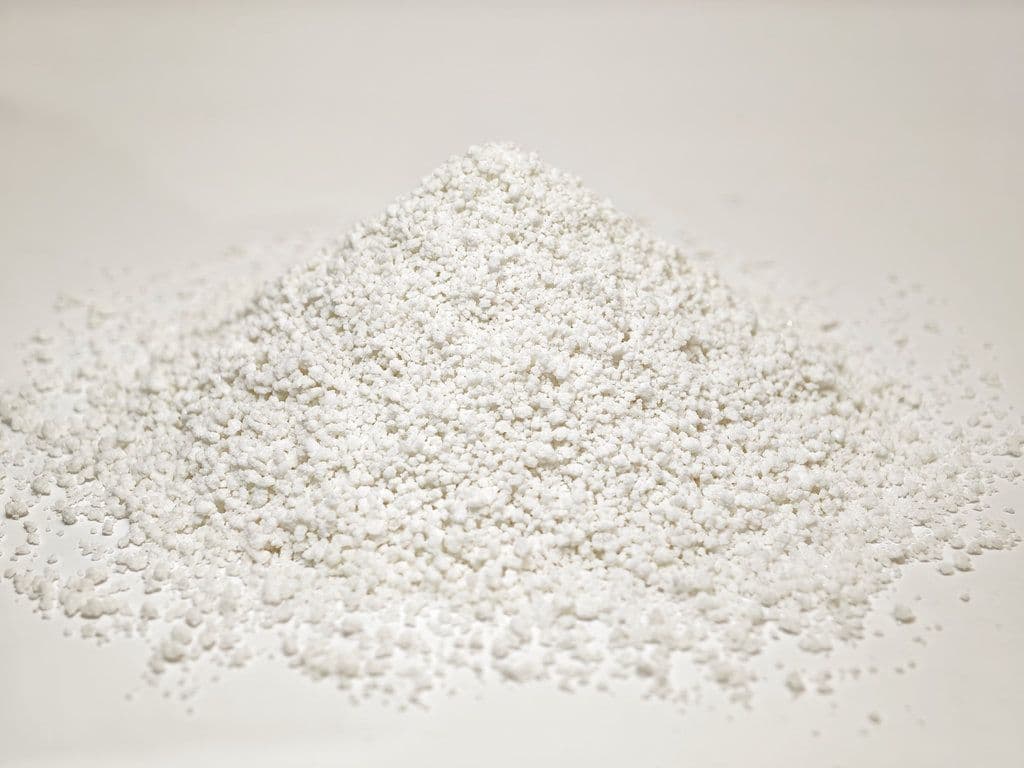
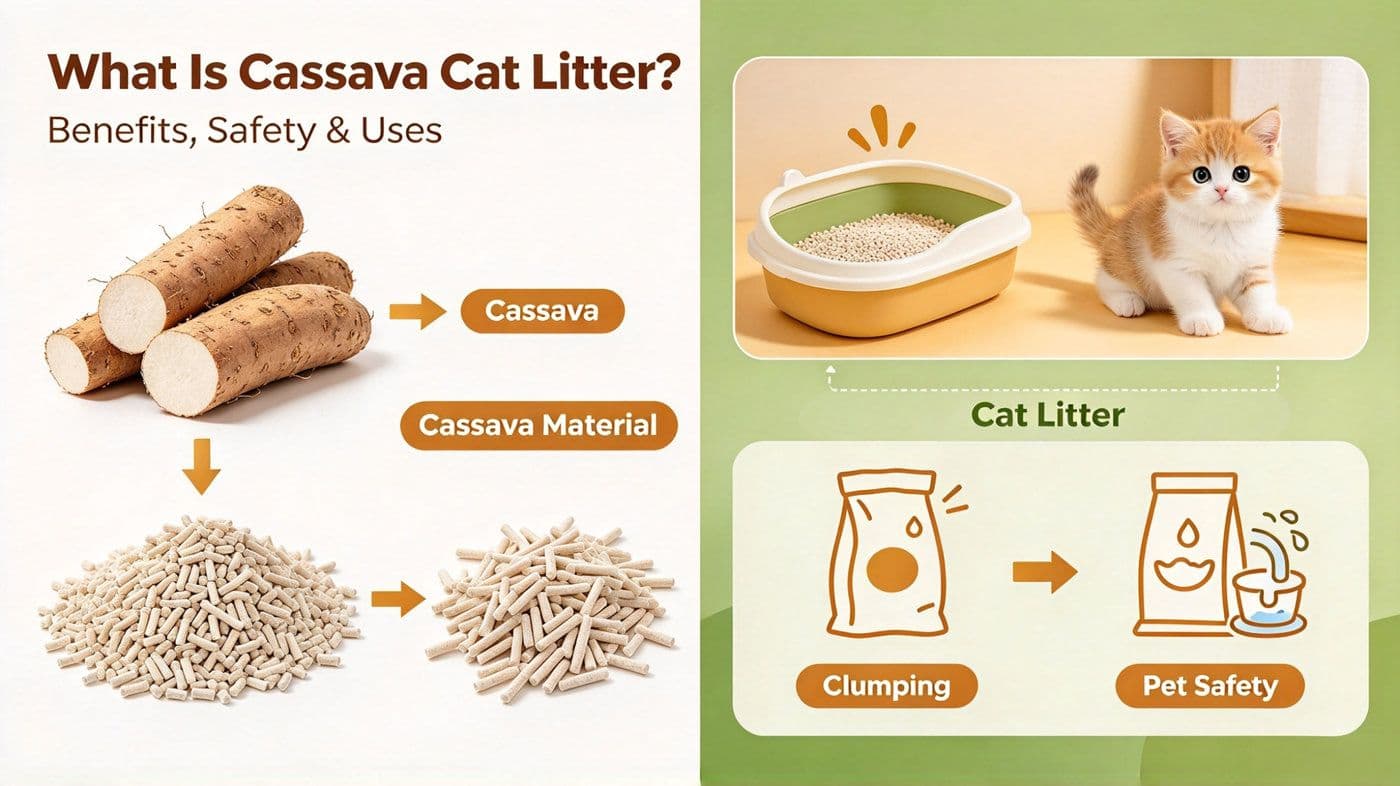
Cassava cat litter is a type of cat litter made using materials derived from cassava, a tropical root crop widely used in food production and other industries.
Cassava contains starch that can serve as a raw material in certain cat litter formulations. Depending on the product, manufacturers may combine cassava-derived ingredients with other materials to achieve the desired texture, moisture handling, and clumping characteristics.
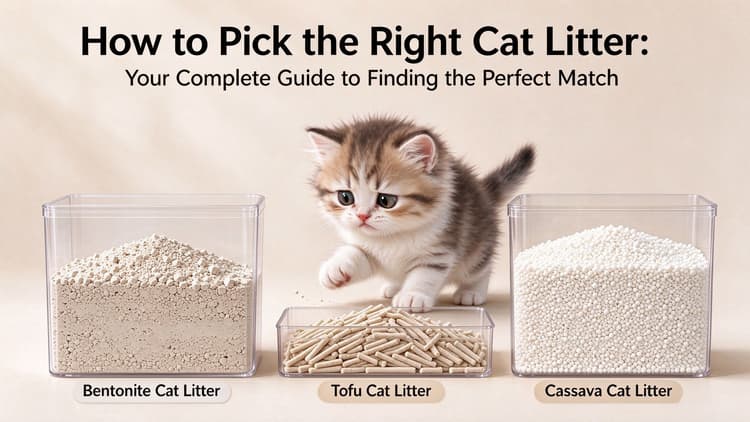
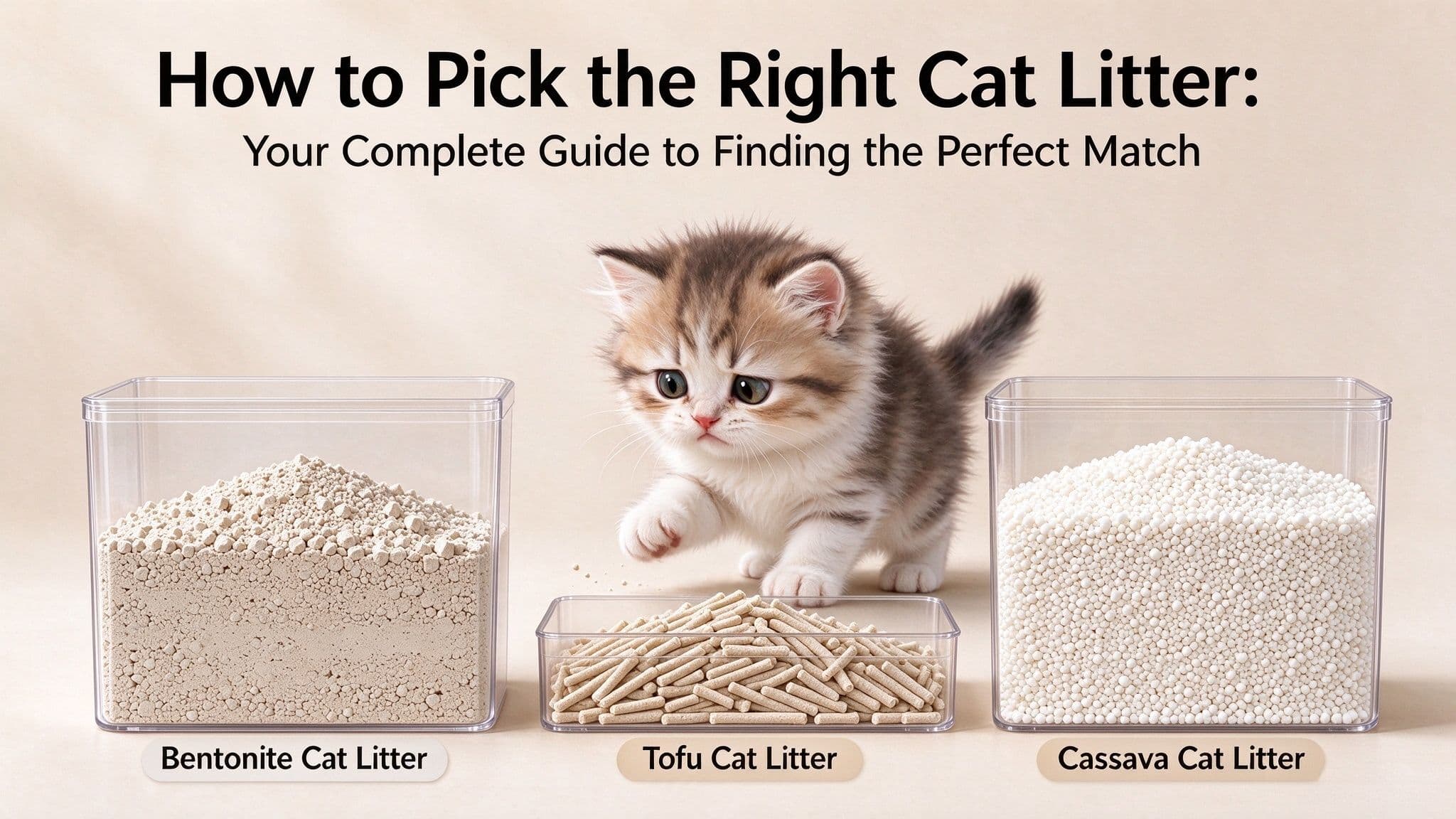
Unlike traditional bentonite cat litter, which is primarily made from mineral clay, cassava cat litter uses plant-derived ingredients as part of its formulation.
However, not all cassava cat litter products are the same. Their ingredients, particle sizes, clumping performance, odor control, and dust levels can vary. Checking the actual product specifications is therefore more useful than judging a litter by its name alone.
Are Cassava Cat Litter and Tapioca Cat Litter the Same?
Cassava cat litter and tapioca cat litter are closely related terms, but they do not always refer to identical formulations.
Cassava is the root crop from which tapioca starch is obtained. This starch can be used in various applications, including some plant-based cat litter products.
The terms are often used within the same product category because both are associated with cassava-derived materials. However, a product marketed as cassava cat litter may use different ingredients or processing methods from one specifically described as tapioca cat litter.
When comparing the two, focus on three things:
- Ingredients: Check whether the product contains cassava starch, tapioca starch, or a combination of plant-derived materials.
- Formulation: Different ingredient combinations can affect texture, moisture handling, and clumping behavior.
- Product performance: Compare odor control, dust levels, ease of cleaning, and other relevant specifications.
The key distinction is that the names alone do not guarantee the same composition or performance. Always refer to the manufacturer's ingredient list and product information.
What Is Cassava Cat Litter Made Of?
The exact composition depends on the manufacturer and the product's intended performance.
1. Cassava or Tapioca Starch
Cassava-derived starch is a key raw material in this category. Depending on the formulation, it may help bind particles together or contribute to clump formation when the litter comes into contact with moisture.
The amount of starch used and its role in the finished product can vary, so clumping performance should be evaluated at the product level.
2. Other Plant-Based Ingredients
Some formulations combine cassava-derived materials with other plant-based ingredients. These may help adjust particle structure, texture, or handling characteristics.
The combination of ingredients can influence how the litter behaves during daily use.
3. Functional Additives
Depending on the formula, manufacturers may include additional ingredients to support characteristics such as odor management or particle stability.
These ingredients are not necessarily present in every product. If a particular ingredient is important to you, check the label or ask the manufacturer for a complete specification.
Understanding the full formulation is the best way to evaluate what a cassava-based litter actually offers.
Is Cassava Cat Litter Safe for Cats?
Cassava cat litter may be suitable for many cats, but its suitability depends on the finished formula, product quality, and how it is used.
A plant-derived ingredient does not automatically make a finished product safe in every situation. Before introducing a new litter, consider the following factors.
Ingredient Transparency
Choose products with clear ingredient information and follow the manufacturer's usage instructions. If the formula contains fragrances, colorants, or other additives, consider whether they are appropriate for your cat, particularly if your cat has previously shown sensitivity to scented products.
Dust Levels
Dust is an important consideration with any type of cat litter. Fine particles may become airborne when litter is poured, disturbed, or kicked around by a cat.
Dust levels vary with particle size, raw materials, processing methods, and packaging. Plant-based litter is not necessarily dust-free, so look for clear product specifications or test results where available.
Texture and Acceptance
Cats can be sensitive to changes in litter texture and scent. Some prefer fine, sand-like particles, while others adapt to different materials.
Introduce a new litter gradually and observe your cat's behavior. If your cat starts avoiding the litter box, reassess the texture, scent, cleanliness, and transition process rather than assuming the new product is a good fit.
Cassava Cat Litter vs. Bentonite Cat Litter
Bentonite cat litter is widely used because many products offer familiar textures and established clumping performance. Cassava cat litter provides an alternative based on plant-derived materials.
The following table outlines the general differences between these two categories.
| Feature | Cassava Cat Litter | Bentonite Cat Litter |
|---|---|---|
| Main raw material | Cassava-derived ingredients, depending on the formula | Bentonite clay |
| Material category | Plant-derived or plant-based, depending on composition | Mineral-based |
| Clumping performance | Depends on formulation and product design | Many products offer established clumping performance |
| Odor control | Depends on the formula and litter-box maintenance | Depends on the formula and litter-box maintenance |
| Dust levels | Vary by product and manufacturing process | Vary by product and manufacturing process |
| Texture | Depends on particle size and formulation | Often available in fine or granular textures |
| Environmental considerations | Depend on the complete formula and disposal method | Include considerations such as mineral extraction, transport, and disposal |
| Cat acceptance | Depends on the individual cat and product texture | Depends on the individual cat and product texture |
Neither category performs identically across all products. For a meaningful comparison, evaluate clump strength, odor control, dust, ease of cleaning, and cost under similar conditions.
Is Cassava Cat Litter Better Than Bentonite Cat Litter?
There is no single answer for every cat or household. The better choice depends on your priorities and the performance of the specific product.
Cassava cat litter may appeal to people who want to explore plant-derived materials. Bentonite cat litter may be preferable for those who already have a product their cat accepts and whose clumping performance, texture, and price meet their needs.
Consider these practical questions when making your decision:
- Does it work well in your litter box? Evaluate clumping, moisture handling, and ease of waste removal.
- Does your cat accept it? A litter that your cat consistently uses is more practical than one that looks good on paper but is rejected.
- Does it fit your budget? Compare usage and replacement frequency, not just the price per package.
- Does it meet your material preferences? Review the ingredients and any environmental claims against the available evidence.
Rather than assuming one material is always superior, compare products using the same criteria. This makes it easier to identify the option that best fits your cat and household.
Benefits and Limitations of Cassava Cat Litter
Cassava cat litter offers some potential advantages.
Potential Benefits
- Plant-derived material: Offers an alternative for buyers interested in litter made with plant-based ingredients.
- Flexible formulation: Cassava-derived starch can be incorporated into different formulations to achieve specific product characteristics.
- More choice: Gives cat owners and buyers another material category to compare with conventional clay litter.
Is Cassava Cat Litter Biodegradable or Flushable?
Cassava is a plant-derived raw material, but that does not automatically mean every cassava cat litter product is biodegradable, compostable, or suitable for flushing.
The environmental properties of the finished litter depend on its complete formulation, the conditions under which it is processed, and the method used to dispose of it.
If environmental impact is a priority, look for product-specific evidence rather than relying solely on terms such as "natural," "plant-based," or "eco-friendly."
Flushing also requires particular caution. Even if a litter contains plant-derived ingredients, it may not be compatible with household plumbing or local wastewater systems. Follow the manufacturer's disposal instructions and local guidance. Unless the specific product is explicitly approved for flushing under the relevant conditions, use the recommended waste-disposal method.
How to Choose the Right Cassava Cat Litter
If you are considering cassava cat litter, the following checklist can help you compare products more effectively.
1. Review the Ingredients
Look for a clear ingredient list and confirm what role cassava-derived materials play in the formula. If the product description is vague, ask the manufacturer for more detailed information.
2. Check Clumping and Odor Control
If you prefer clumping litter, review information about clump formation, strength, and ease of removal. For odor control, consider both the product's formulation and your litter-box cleaning routine.
Where possible, compare products using practical tests rather than relying entirely on general marketing claims.
3. Evaluate Dust Levels
Consider dust during pouring and everyday use. Clear specifications or relevant test results can provide a more reliable basis for comparison than broad claims such as "low dust" or "dust-free."
4. Consider Your Cat's Preferences
Observe your cat's response to the litter's texture and scent. When switching products, a gradual transition may help your cat adjust. Monitor litter-box habits and stop the transition if your cat shows persistent discomfort or avoidance.
At Sunbowpet, we understand that choosing cat litter involves more than looking at its main ingredient. Product consistency, practical performance, and clear specifications all contribute to a better experience for cats and their owners.
If you're exploring plant-based alternatives to bentonite cat litter, take a look at our cassava and tapioca cat litter to learn more about the product and review its specifications.
Why Choose Sunbowpet for Cat Litter Solutions?
For retailers, distributors, and private-label brands, choosing a cat litter supplier involves more than comparing individual products. Manufacturing capabilities, quality control, packaging, and communication all matter.
At Sunbowpet, we understand that different markets have different requirements. Buyers may need specific product characteristics, packaging formats, and documentation to support their sales channels.
When evaluating a cat litter supplier, consider the following:
- Product specifications: Clear ingredient and performance information helps buyers assess whether a product fits their market.
- Quality control: Defined inspection procedures help support consistency between production batches.
- Packaging options: Suitable packaging can help products meet different retail and distribution needs.
- Communication: Clear discussions about specifications, order requirements, and product expectations can reduce misunderstandings.
- Market suitability: Product selection and documentation should align with the intended market and applicable requirements.
You can learn more about our company and cat litter solutions on the Sunbowpet About Us page.
For businesses considering cassava cat litter or other cat litter categories, we recommend clarifying the target market, intended application, packaging requirements, and expected product specifications before making a sourcing decision.
Frequently Asked Questions
1. What is cassava cat litter made from?
Cassava cat litter uses cassava-derived materials, which may include cassava starch. Some formulations also contain other plant-based ingredients or functional additives. The exact composition varies by product.
2. Is tapioca cat litter the same as cassava cat litter?
The terms are closely related because tapioca starch comes from cassava. However, they do not guarantee identical formulations. Check the ingredient list and product specifications to understand the differences.
3. Is cassava cat litter safe for kittens?
Suitability depends on the specific formula and the kitten's behavior. Because kittens may explore or ingest litter, choose a product with clear ingredient information and monitor its use carefully. Consult a veterinarian if you are unsure which litter is appropriate.
4. Does cassava cat litter control odor?
Odor control varies by formulation, litter-box conditions, and cleaning frequency. Check the product's specifications and evaluate its performance under normal usage conditions.
5. Is cassava cat litter biodegradable?
Not necessarily. Although cassava is plant-derived, the environmental properties of the finished litter depend on its complete formulation and disposal conditions. Look for product-specific evidence before making a decision.
6. Can cassava cat litter be flushed down the toilet?
Do not assume that cassava cat litter is flushable simply because it contains plant-based ingredients. Follow the manufacturer's disposal instructions and local wastewater guidance. If the product is not explicitly approved for flushing, use the recommended disposal method.
7. Can I switch my cat from bentonite litter to cassava cat litter?
Many cats can adapt to a different litter, but some are sensitive to changes in texture or scent. A gradual transition can help you monitor your cat's response. If your cat begins avoiding the litter box, slow the transition and reassess whether the new product is suitable.
8. What should buyers look for when sourcing cassava cat litter?
Commercial buyers should review ingredient composition, clumping performance, odor control, dust levels, packaging options, quality-control procedures, and available documentation. It is also important to clarify order requirements and the specifications needed for the target market.