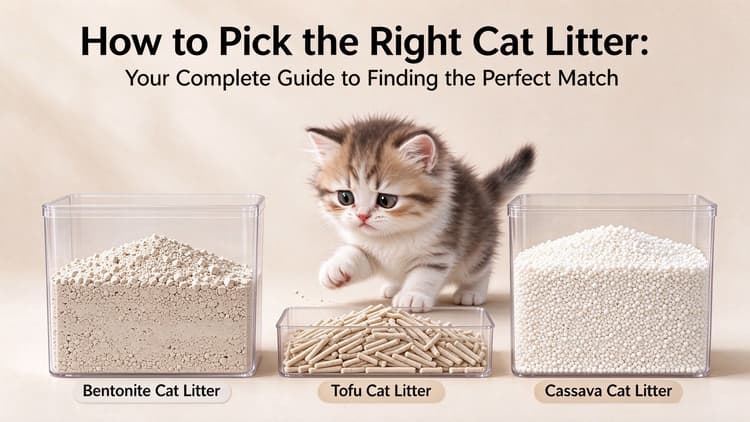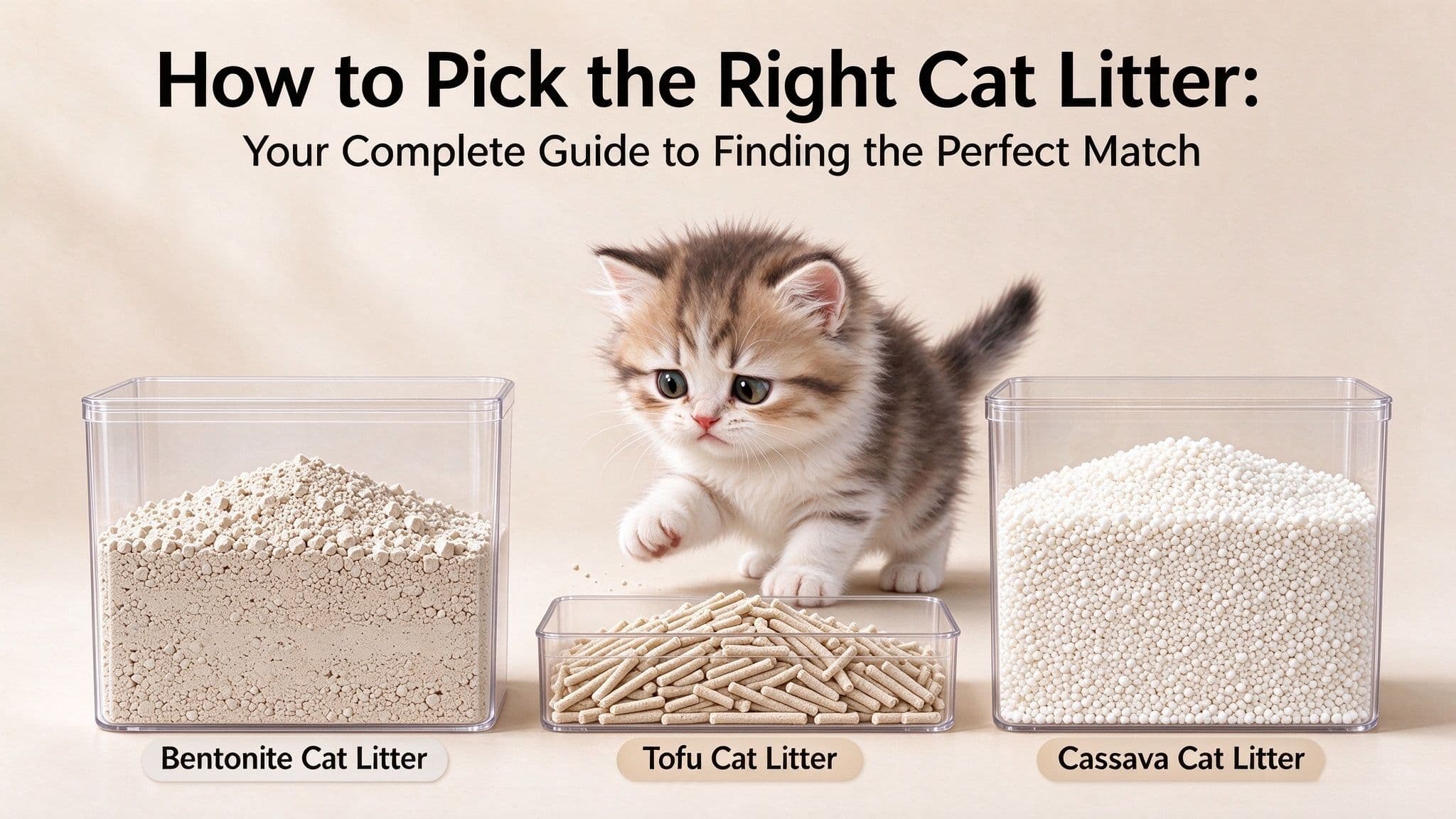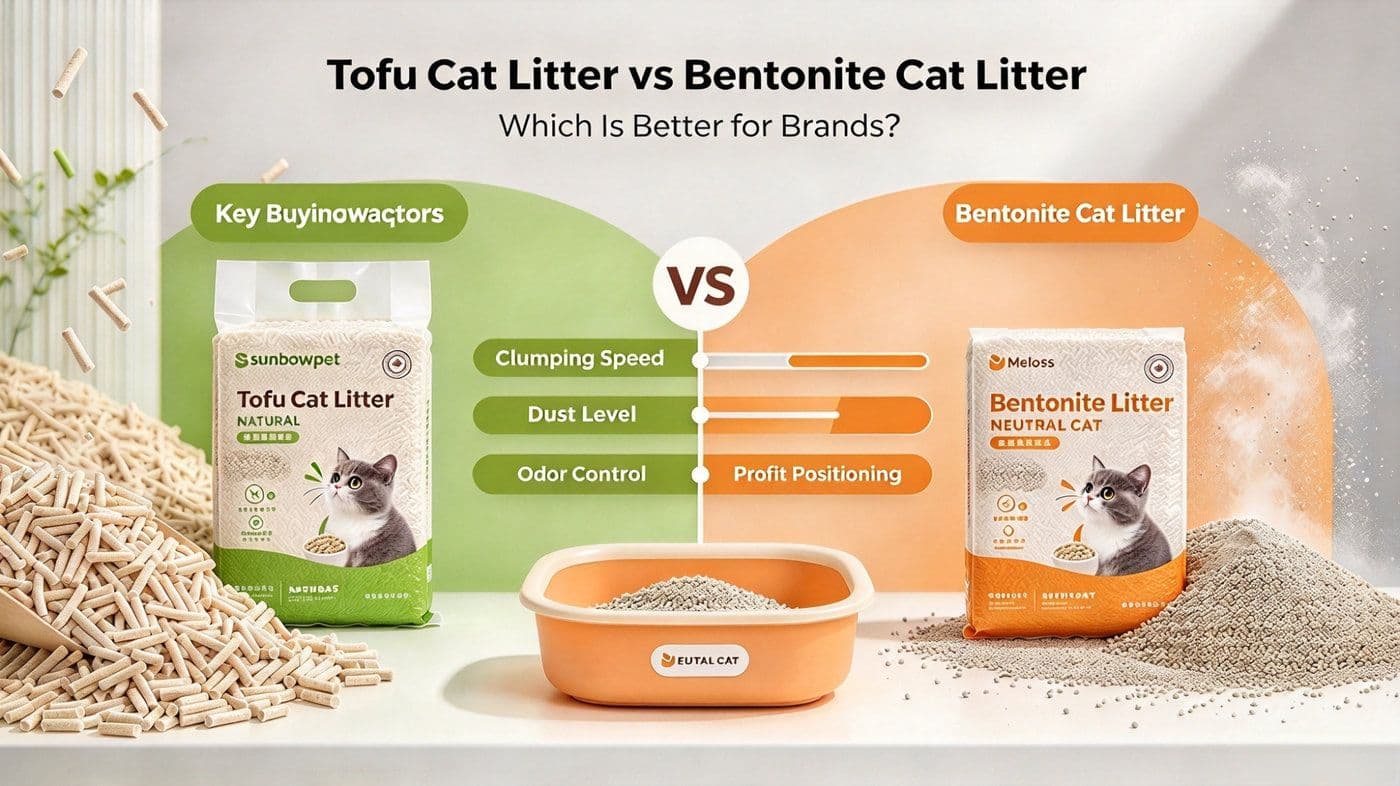
Choosing a litter type is one of the first strategic decisions a pet brand or distributor makes—and it is rarely reversible without significant cost. Bentonite clay has dominated wholesale channels for decades. Tofu and other plant-based litters have gained shelf space, social media attention, and premium positioning in export markets from North America to Southeast Asia.
If you are deciding which material to build your next SKU around, the question is not simply "which is better?" It is: which is better for your channel, your customer, your margin structure, and your supply chain?
This guide compares tofu cat litter and bentonite from a B2B perspective—materials, product performance framing, branding, disposal positioning, and OEM implications. We aim for balance: bentonite still makes sense in many scenarios, and plant-based is not automatically the right choice for every brand.
Why Brands Compare Tofu and Bentonite Now
Three market forces drive the comparison:
- Consumer interest in plant-based and biodegradable claims — especially among urban cat owners willing to pay more per liter.
- Retailer and marketplace differentiation — buyers want new SKUs that are not "another gray clay bag."
- Supply chain diversification — importers who rely solely on clay mines in specific regions look for manufactured alternatives with more formula control.
For manufacturers, both categories remain viable. A production-ready tofu cat litter manufacturer often runs plant-based lines alongside mixed or clay-blend SKUs, because export buyers frequently want portfolio breadth—not a single-material bet.
Head-to-Head Comparison for Brand Buyers
The table below summarizes how the two materials typically compare in commercial discussions. Individual SKUs vary by factory and formula; treat these as planning benchmarks, not universal lab scores.
| Factor | Tofu / plant-based litter | Bentonite clay litter |
|---|---|---|
| Raw material source | Food-industry plant fiber (pea, soybean, cassava) | Mined sodium or calcium bentonite |
| Manufacturing model | Factory-processed: mix, granulate, dry, screen | Mined, crushed, screened, sometimes treated |
| Customization potential | High—formula, scent, color, granule size | Moderate—mesh size, scent, some additives |
| Typical positioning | Premium, eco-conscious, low dust | Value to mid-tier, proven performance |
| Dust perception | Often marketed as low-dust; depends on process | Can be dusty unless low-dust grades selected |
| Clumping mechanism | Plant fiber absorbs and forms soft clumps | Clay swells and binds into firm clumps |
| Weight / shipping cost | Generally lighter per liter—potential freight savings | Heavier—higher container shipping cost per unit |
| Disposal messaging | Compostable / flushable claims common (verify locally) | Landfill disposal; not flushable |
| Breakage in transit | Granules can fracture if under-dried or mishandled | Hard granules; generally robust |
| OEM / private label fit | Strong—brands build stories around plant ingredients | Strong—established supply, familiar consumer behavior |
| Price sensitivity | Often higher COGS; supports premium retail | Often lower COGS; supports volume channels |
| Regulatory narrative | Aligns with sustainability trends; document claims carefully | Well-understood category; fewer "green" angles |
Material Origins and Supply Chain Implications
Bentonite: mining-driven supply
Bentonite cat litter starts in quarries. Major sourcing regions include the United States, Turkey, China, and other deposits. Supply depends on mining output, crushing capacity, and freight from mine to bagging plant.
Brand buyer considerations:
- Clay supply is mature and price-competitive at volume.
- Product differentiation relies heavily on packaging, scent, and mesh grade—not raw material story.
- Sustainability narratives are harder unless you invest in responsible sourcing certifications.
Tofu / plant-based: factory-driven supply
Tofu litter begins with plant fiber—often pea fiber or soybean residue—from food processing streams. Production happens in controlled factory lines, which means:
- Batch consistency depends on the manufacturer's process controls.
- Formula adjustments (charcoal, scent, granule diameter) are realistic within OEM programs.
- Storytelling opportunities are stronger: plant-based, biodegradable framing, lighter carbon footprint messaging.
Performance Framing: What Your Customers Will Ask
End consumers rarely distinguish "sodium bentonite" from "pea fiber." They ask about smell, dust, tracking, clumping, and disposal.
Dust
Low-dust is a common plant-based marketing angle because factory screening and aspiration can reduce fines. Bentonite ranges from dusty economy grades to processed low-dust variants at higher cost.
Brand tip: Request side-by-side samples from the same manufacturer when possible. Dust performance is process-dependent, not material-destined.
Tracking
Granule shape and size influence how much litter leaves the tray. Longer tofu pellets often track less than fine clay particles.
Odor control
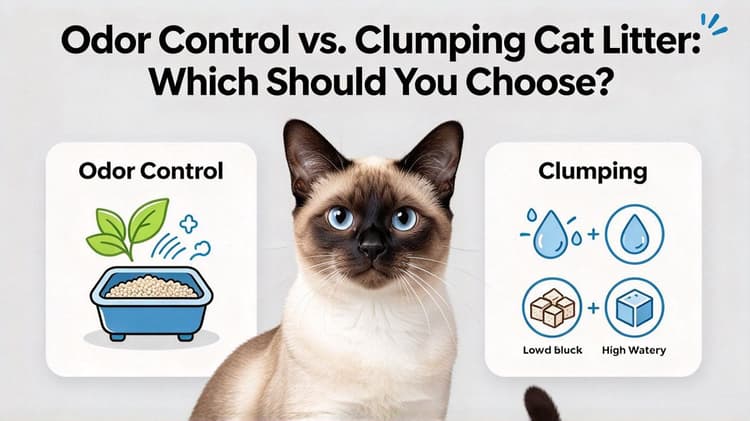
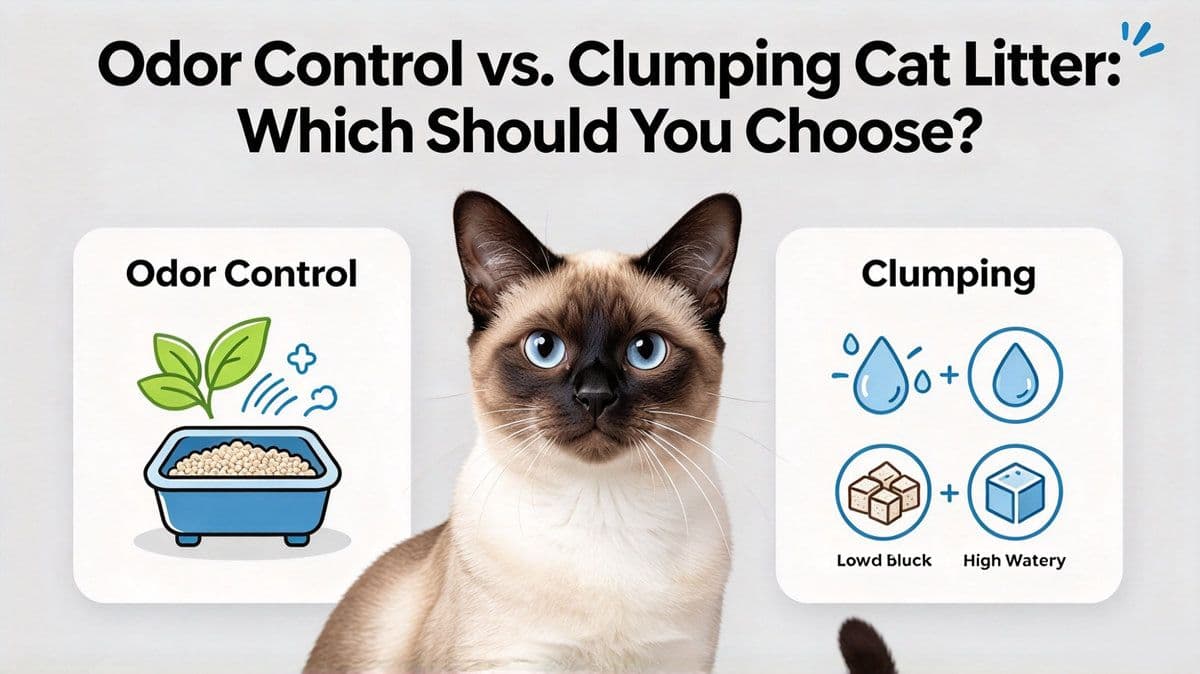
Both categories offer scented and unscented SKUs, plus charcoal-enhanced variants. Odor control is as much about cat owner routine (scoop frequency, tray depth) as formula—but retail packaging must still communicate your chosen benefit clearly.
Disposal, Sustainability, and Marketing Claims
This is where tofu litter often wins the narrative battle.
Plant-based litter is frequently marketed as:
- Biodegradable — generally accurate for fiber content, but breakdown depends on environment.
- Compostable — may require specific certifications; cat waste composting has public-health caveats in many jurisdictions.
- Flushable — highly market-specific; plumbing systems and local regulations vary widely.
Bentonite is straightforward: discard in trash. No flush claims. Fewer regulatory gray areas, but fewer "green" bullet points.
Not sure which material fits your channel? Send us your target market, price tier, and bag size. Request a Free Sample of tofu and mixed options to run side-by-side tests before you commit to a full product line.
When Bentonite Still Makes Sense for Brands
Plant-based is trending, but clay is not obsolete. Bentonite remains the rational choice when:
| Scenario | Why bentonite fits |
|---|---|
| Value-tier retail or big-box volume | Lower COGS supports aggressive shelf price |
| Markets with low eco-premium willingness | Consumers prioritize price over plant-based story |
| Brands targeting "classic clumping clay" shoppers | Familiar product reduces education cost |
| Heavy multi-cat households (positioning) | Clay's firm clumps are a known quantity in messaging |
| Minimal R&D budget for launch | Clay SKUs are commoditized; less formula iteration needed |
| Categories where flush/compost claims are restricted | Simpler disposal story |
Many successful distributors carry clay as a traffic SKU and plant-based as a margin SKU. Portfolio logic beats binary choice.
When Tofu / Plant-Based Makes Sense for Brands
Tofu and related plant litters (including cassava cat litter) fit better when:
| Scenario | Why plant-based fits |
|---|---|
| Premium pet specialty and ecommerce | Higher ASP supports richer packaging and story |
| Urban markets with smaller living spaces | Lighter weight and low-dust angles resonate |
| Brands building sustainability credentials | Plant fiber sourcing supports ESG narratives |
| Differentiation on Amazon or DTC | "Another bentonite bag" struggles against incumbents |
| OEM brands wanting custom formula and color | Manufacturing model enables SKU variety |
| Export to markets favoring biodegradable imports | Regulatory and consumer tailwinds in parts of EU and Asia |
Sunbow Pet manufactures plant-based litter at scale—68,000 tons annual capacity from a 6,000㎡ factory—with ISO and SGS certifications and programs for OEM, ODM, private label, and wholesale. That infrastructure matters when you move from 1,000 bags to container volumes.
OEM, Packaging, and SKU Strategy Implications
Your material choice cascades into packaging design, bag weight, freight, and private label development.
Packaging weight and logistics
Lighter tofu granules can reduce shipping cost per retail unit—meaningful when you import by container and compete on delivered margin. Clay's density increases freight as a percentage of landed cost, especially for large bag formats (10 kg+).
Bag format preferences
Plant-based brands often use stand-up pouches with premium finishes (matte film, window panels, zip closures). Clay historically dominated poly bags and boxes—but premium clay brands now borrow the same pouch formats. Material does not dictate packaging; positioning does.
Line extension paths
Many importers begin with one hero SKU, validate sales velocity, then add mixed litter or complementary formats. Review the full product catalog when planning range architecture.
MOQ and lead time
Custom tofu formulas may require screen changes, scent trials, and packaging print runs—similar to clay private label. Standard catalog SKUs from an established manufacturer typically offer the fastest path to first container.
Building a Balanced Assortment
Rather than treating tofu vs bentonite as a winner-take-all decision, consider a tiered assortment:
1.Entry / volume tier — one kind original best seller tofu 2.Core growth tier — different kinds of bag size of tofu 3. Premium / niche tier — charcoal-enhanced, scented, or cassava-blend SKUs
This structure lets you test market response without betting.
Evaluation Checklist Before You Choose
| Step | Action |
|---|---|
| 1 | Define target retail price and required margin |
| 2 | Identify primary channel (Amazon, pet specialty, grocery, export distributor) |
| 3 | Research disposal regulations in destination countries |
| 4 | Order production samples from shortlisted factories |
| 5 | Run scoop tests, drop tests, and simulated shipping |
| 6 | Map packaging and branding story to material strengths |
| 7 | Confirm OEM capabilities and MOQ with manufacturer |
| 8 | Align marketing claims with legal review |
Skipping sample testing is the most common mistake we see among first-time litter importers—regardless of material choice.
Frequently Asked Questions
Is tofu cat litter better than bentonite?
Neither is universally better. Tofu litter offers lighter weight, plant-based storytelling, and disposal options that appeal to premium segments. Bentonite offers mature supply chains, familiar clumping behavior, and often lower unit cost.
Which litter type is easier to private label?
Both are widely private-labeled. Plant-based OEM allows more formula customization (granule size, color, additives).
Does plant-based litter always mean low dust?
No. Dust levels depend on manufacturing quality—drying, screening, and handling—not solely on material type. Always evaluate production samples.
What should I ask a manufacturer before choosing a material?
Ask for production samples (not trade-show only), inspection report by third party, packaging options, MOQ, lead time, and export experience to your target country. A credible manufacturing partner will answer these directly.
Ready to compare materials from one factory? Request a Factory Quote, explore our OEM/ODM process, or browse tofu cat litter wholesale options to start building your assortment.