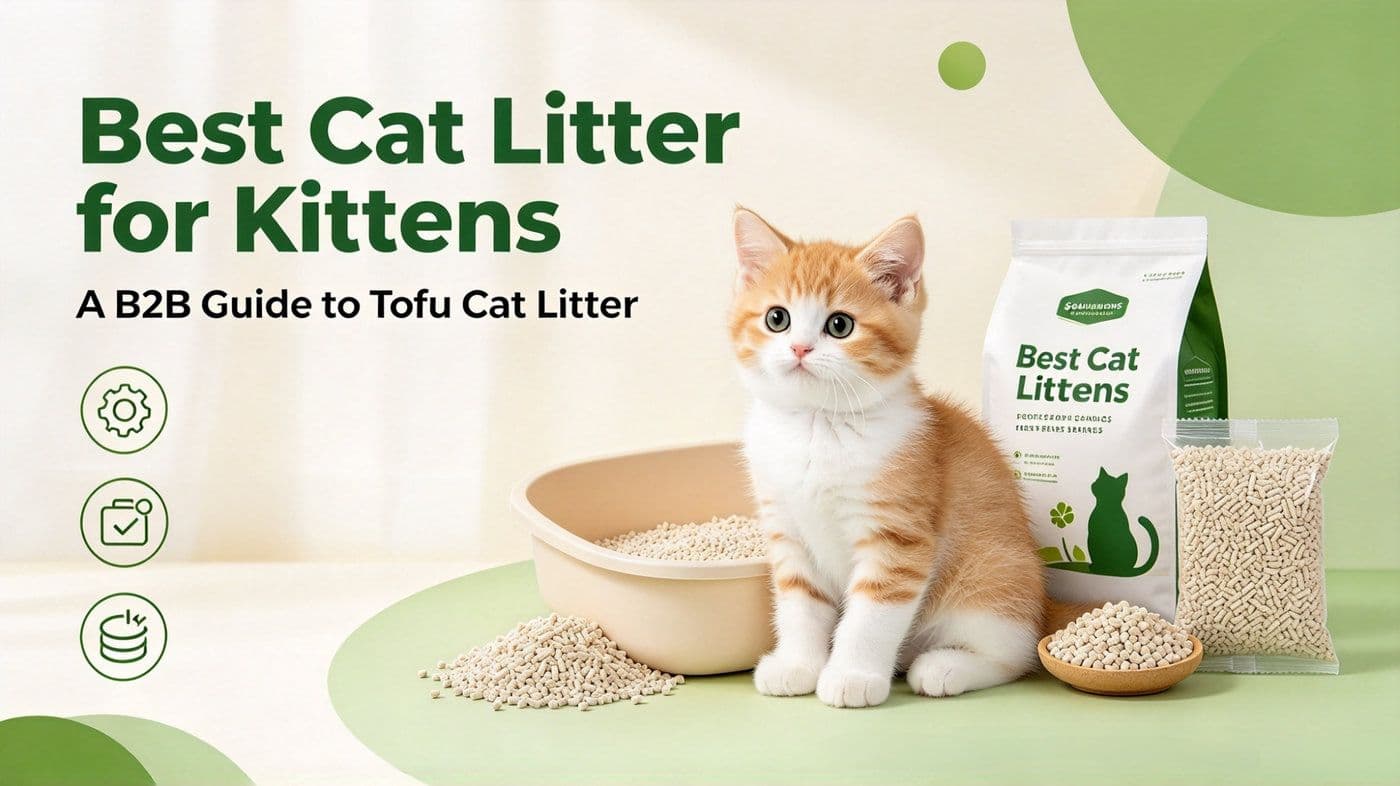
Choosing the right cat litter for kittens is about more than just the material. For pet retailers, private-label brands, distributors, and importers, it also means finding a product that meets customer expectations, stands out in a competitive market, and encourages repeat purchases.
As demand for plant-based cat litter continues to grow, tofu cat litter has become an option worth considering for kitten-focused product lines. Its combination of plant-based ingredients, clumping performance, and customizable particle sizes gives brands plenty of room to develop products for different customer needs.
In this guide, we'll explore what makes a good kitten cat litter, what B2B buyers should look for when sourcing tofu cat litter, and how to choose a manufacturer that can support long-term business growth.
Why Kitten Cat Litter Matters for B2B Buyers
Kittens have different needs from adult cats. Their paws are smaller, and during their early development, they may explore their surroundings by sniffing, licking, or even ingesting small amounts of litter.
For new cat owners, these behaviors often raise questions about litter materials, texture, dust, and overall suitability. For brands and retailers, they create an opportunity to offer products designed with younger cats in mind.
When developing a kitten-focused cat litter, buyers should pay particular attention to:
- Gentle texture: Particles that are comfortable for small paws.
- Low-dust performance: Helping keep the litter area cleaner.
- Reliable clumping: Making daily cleaning easier for pet owners.
- Effective odour control: Helping manage unpleasant smells.
- Plant-based ingredients: An appealing option for customers looking for alternatives to mineral-based litter.
A well-designed kitten litter can also serve as a customer's first introduction to a brand. If the product performs well, there's a good chance that customer will continue buying from the same brand as their cat grows.
What Cat Litter Is Best for Kittens?
There is no single cat litter that works best for every kitten. The right choice depends on the kitten's age, behaviour, and individual needs, as well as the owner's preferences.
For B2B buyers developing a kitten-focused product line, tofu cat litter is a promising option, particularly for brands looking to combine plant-based materials with clumping performance and flexible product specifications.
Typically made from soybean-derived fibre and starch, tofu litter offers several characteristics that can appeal to both pet owners and retailers:
- Plant-based material options
- Fine particle sizes for different product applications
- Clumping performance for convenient waste removal
- Absorption and odour-control capabilities
- Potential for biodegradable or lower-waste product positioning, depending on the formulation and disposal method
- Flexible OEM and private-label customization
If you're exploring tofu cat litter for your product range, take a look at our classic dust-free tofu cat litter. Reviewing the product specifications and available customization options can help you determine whether it fits your target market and brand positioning.
Another advantage of tofu litter is its potential for use beyond the kitten stage. With the right formulation and appropriate product guidance, brands can position it for both kittens and adult cats, giving customers a familiar product they can continue using over time.
For manufacturers and distributors, this can also simplify product planning by reducing the need to develop entirely separate formulas for different life stages.
Key Factors to Consider When Sourcing Kitten Cat Litter
Selecting a suitable product involves more than comparing prices or choosing a material. Particle size, clumping strength, dust levels, and consistency between batches can all influence the end-user experience.
Here are the main factors worth evaluating before placing a wholesale order.
1. Particle Size and Texture
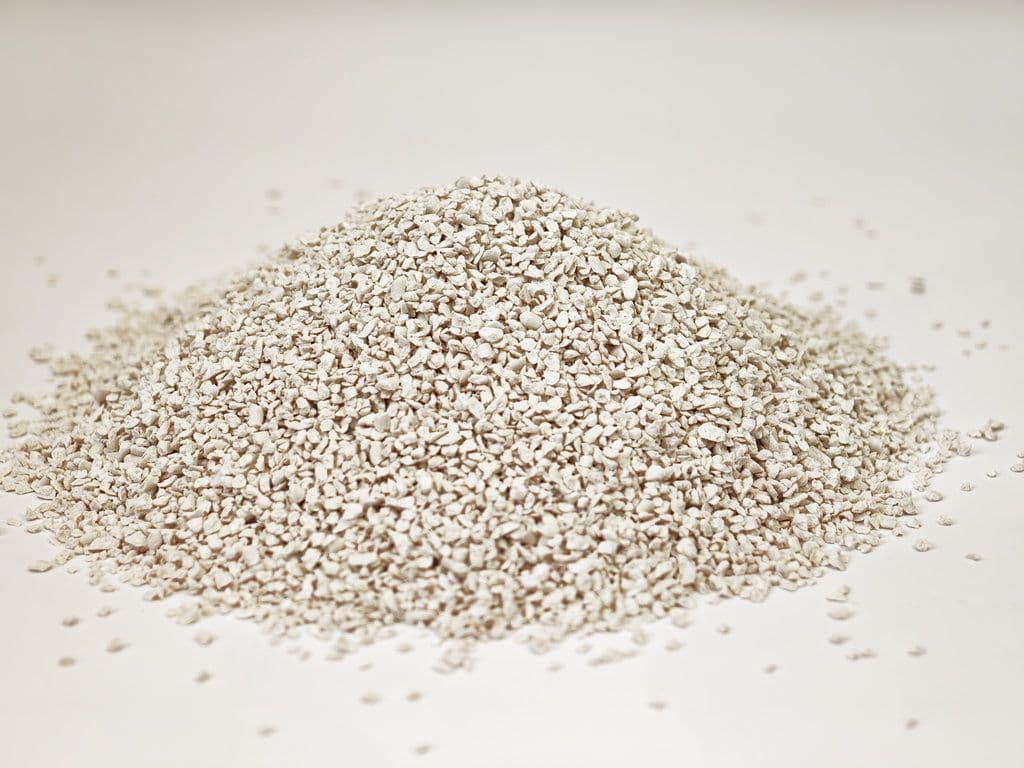
Particle size is an important consideration when developing cat litter for kittens. A finer texture may appeal to owners who prefer litter that feels gentler under small paws, although the best size should be confirmed through product testing and feedback.
For example, 1.5 mm ultra-fine tofu cat litter may be worth evaluating for a kitten-focused product line.
Particle size can also affect several other aspects of product performance, including:
- Paw comfort and litter acceptance
- Tracking around the litter box
- Clumping behaviour
- Ease of scooping
- Packaging density and shipping efficiency
These factors can sometimes involve trade-offs. Smaller particles, for instance, may change how litter tracks or forms clumps, depending on the formula.
For B2B buyers, the best approach is to request samples in different particle sizes and compare them under consistent conditions before finalizing a specification.
2. Clumping Performance
Convenient cleaning is one of the main reasons cat owners choose clumping litter. If the litter forms weak clumps that break apart during scooping, users may find themselves dealing with more residue and frequent litter-box maintenance.
A well-formulated tofu litter should form cohesive clumps after absorbing urine, making waste easier to remove while helping keep the remaining litter clean.
When evaluating supplier samples, pay attention to:
- How quickly clumps form
- Whether clumps hold together during scooping
- How well the litter absorbs liquid
- Whether clumps crumble or leave excessive residue
- How much usable litter remains after waste removal
For importers and private-label brands, consistent performance across production batches is just as important as a good initial sample. Ask suppliers how they monitor product consistency and what performance specifications they can document.
3. Dust and Odour Control
Dust and unpleasant odours are common concerns for cat owners. For kitten-focused products, these factors can become particularly important when customers are looking for a litter that is comfortable to handle and easy to maintain.
Tofu litter can offer low-dust performance and effective odour control, but results vary by formulation, manufacturing process, and storage conditions. These qualities should be verified rather than assumed based on the material alone.
A practical supplier evaluation should cover:
- Dust generation during pouring and scooping
- Liquid absorption under repeatable test conditions
- Odour control after use
- Clump removal and residual litter
- Tracking outside the litter box
Where possible, use the same testing procedure for every supplier. This makes it easier to compare products fairly and identify the formula that best fits your target market.
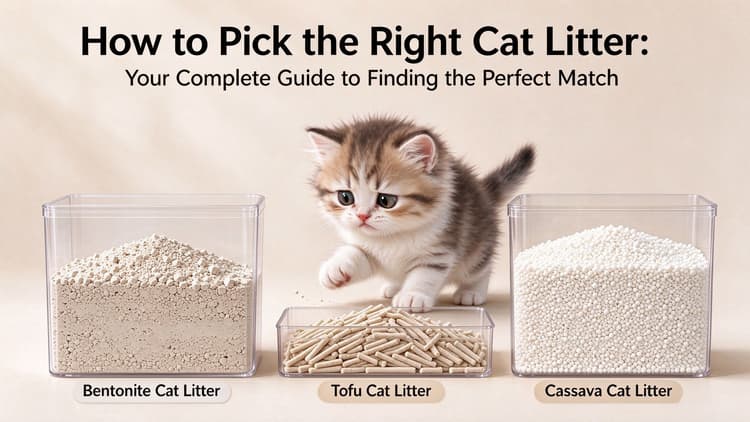
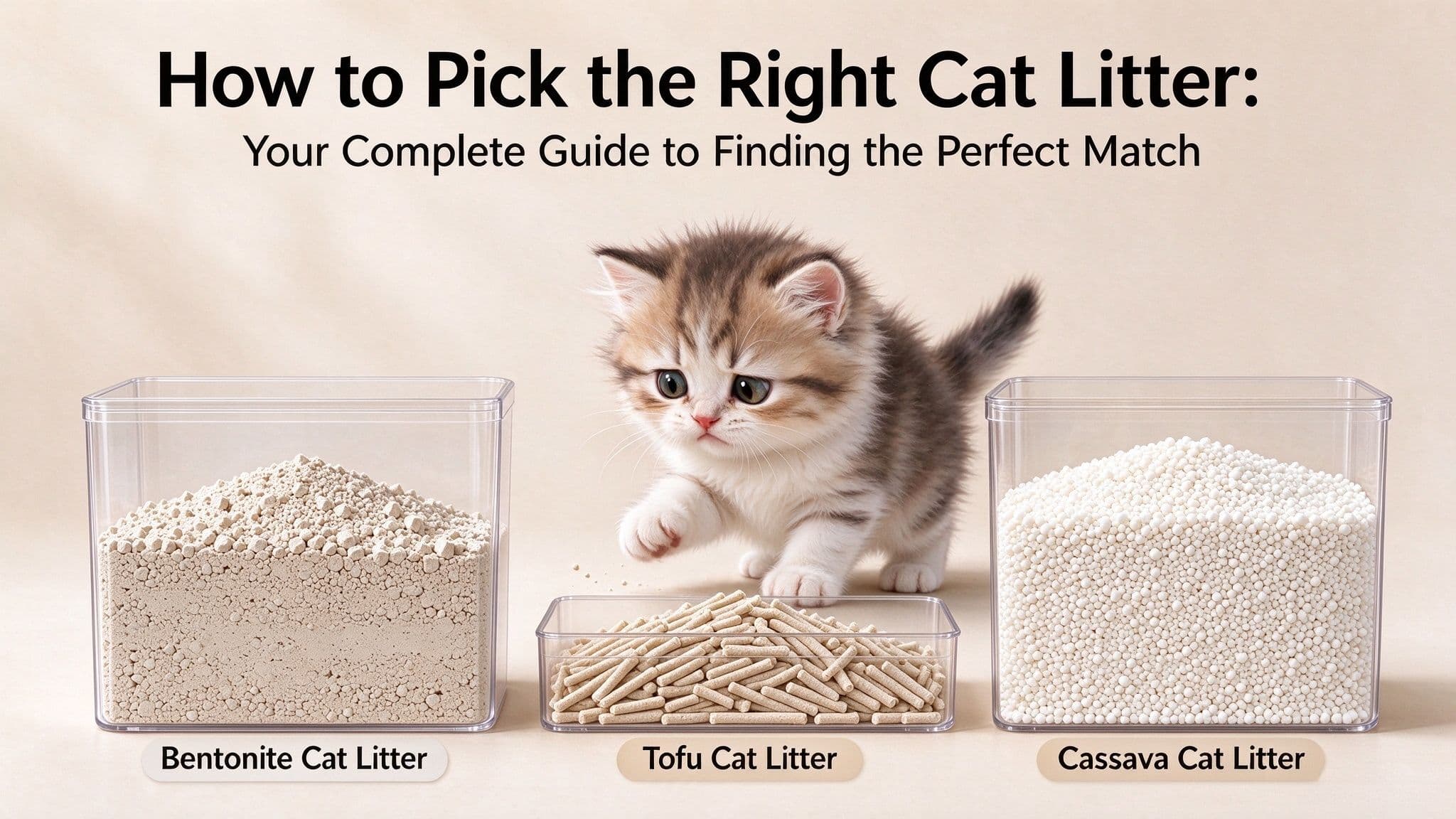
Tofu Cat Litter vs. Other Materials
Different litter materials appeal to different customer groups. Understanding their strengths and limitations can help B2B buyers decide where tofu litter fits within their product portfolios.
| Material | Kitten-Focused Positioning | Clumping | Dust Potential | Sustainability Considerations | B2B Opportunity |
|---|---|---|---|---|---|
| Tofu cat litter | Suitable for selected kitten-focused formulations | Yes | Can be low, depending on formulation | Plant-based; disposal and biodegradability depend on the product | Strong |
| Bentonite clay | Widely used, but suitability depends on the formula and kitten's behaviour | Yes | Varies by product | Mineral-based, with environmental impacts associated with extraction and disposal | Strong |
| Paper litter | Often considered for young or sensitive cats | Usually no, although some products differ | Generally low | Recycled content and disposal options vary | Moderate |
| Silica crystal litter | Requires careful consideration of the specific product and kitten's behaviour | Usually no | Varies by product | Depends on material and disposal method | Moderate |
No material is automatically the best choice for every kitten. The final decision should take into account the product's composition, particle characteristics, performance, and intended use.
For brands seeking a combination of plant-based materials, clumping performance, and premium product positioning, tofu cat litter offers a useful starting point for product development.
Why Tofu Cat Litter Appeals to Retailers and Brands
A Product That Can Grow with the Cat
Pet owners often appreciate products they can continue using as their pets grow. A well-formulated tofu litter may be suitable for both kittens and adult cats, provided the product is appropriate for the animal and used according to the manufacturer's guidance.
From a commercial perspective, this creates an opportunity to build customer loyalty around a familiar product rather than relying entirely on one-time kitten purchases.
A Clear Product Story for New Cat Owners
New cat owners often have questions about litter ingredients, texture, dust, and everyday cleaning. A product built around plant-based materials, carefully selected particle sizes, and dependable clumping performance gives retailers practical benefits to communicate.
Rather than relying on broad claims such as "the safest litter" or "completely dust-free," brands can build trust by providing clear specifications and test results that explain what their products actually deliver.
Room for Premium Positioning
Tofu litter can support premium positioning when the product offers meaningful advantages in performance, formulation, packaging, or convenience.
For private-label brands, this may mean developing an unscented fine-particle formula, offering a distinctive packaging format, or creating a product line around specific consumer preferences.
The key is to ensure that the product's actual performance supports its positioning. A premium price is easier to justify when customers can see and experience the difference.
OEM and Private-Label Tofu Cat Litter
For importers, distributors, and pet brands, working with an OEM/ODM manufacturer offers more flexibility than sourcing a standard product alone.
Depending on the manufacturer's capabilities, customization options may include:
- Particle size: Developing different textures for specific product lines.
- Fragrance: Choosing scented or unscented formulations.
- Packaging: Selecting bag sizes, materials, and packaging formats.
- Branding: Creating private-label products with customized brand presentation.
- Product specifications: Adjusting the formula and performance requirements to suit the target market.
If you're planning to launch your own cat litter brand, you can explore our OEM/ODM process to learn more about how we work with customers, from discussing product requirements and evaluating samples to confirming orders and arranging shipments.
For example, a premium pet brand might prefer unscented, fine-particle tofu litter in packaging that emphasizes its plant-based ingredients. A distributor serving a different market might prioritize a particular bag size, price point, or fragrance preference.
Before committing to a customized product, we recommend confirming the available formulations, minimum order quantity (MOQ), sample approval process, production lead time, and packaging requirements with our team.
This helps ensure that the finished product fits both your target customer base and the commercial realities of your market.
Why Choose Sunbowpet?
For brands and distributors looking for a tofu cat litter manufacturer in China, choosing the right supplier involves more than comparing prices and production capacity. Product consistency, customization capabilities, quality control, and export experience all play a role in building a reliable long-term supply relationship.
Based in Qingdao, China, we work with international customers looking for tofu cat litter manufacturing, OEM/ODM customization, and bulk supply solutions.
You can learn more about our company background and manufacturing capabilities, including our production capabilities and the ways we work with customers in international markets.
We believe that understanding a manufacturer's capabilities and approach to quality control is an important step before requesting samples or discussing a bulk order.
Production Capacity for Wholesale Supply
Our annual production capacity is 68,000 tons, supporting the supply needs of brands, distributors, importers, and larger retail programs.
For B2B buyers, production capacity is an important starting point. We also encourage customers to discuss product-specific capacity, current production schedules, lead times, and expected order volumes with our team so that we can better understand their supply requirements.
Quality Control and Product Testing
Product quality needs to be consistent from the first shipment to the last. That's why quality-control procedures, product specifications, and appropriate testing documentation are important considerations when evaluating a manufacturing partner.
Depending on the product and market requirements, relevant testing and documentation may cover:
- Heavy metals
- Microbiological indicators
- Absorption and clumping performance
- Disintegration characteristics
- Additional market-specific testing requirements
Available tests and documentation depend on the specific product and destination market. Our team can discuss the applicable requirements and documentation for your project.
For kitten-focused product development, we can also discuss 1.5 mm ultra-fine tofu cat litter and other product specifications according to your project requirements.
Flexible OEM/ODM Solutions
Every brand has its own target customers, positioning, and commercial priorities. We work with customers to develop tofu cat litter products that align with their requirements, including particle size, fragrance, packaging, branding, and other agreed product specifications.
Whether you're launching a new private-label range or expanding an existing product portfolio, sharing your target market, price positioning, and expected order volume early in the process helps us explore the most suitable product options with you.
Support for International Customers
Supplying international markets involves more than manufacturing the product. Documentation, packaging coordination, production planning, and shipping arrangements all contribute to a smooth purchasing experience.
We work with international customers on export-related requirements and customized supply programs. Before placing an order, we recommend confirming the applicable documentation, shipping terms, lead times, and destination-market requirements with our team.
Conclusion
Choosing the right kitten cat litter means balancing product performance, customer expectations, and commercial priorities.
For B2B buyers, tofu cat litter offers an opportunity to develop products around plant-based materials, fine-particle options, clumping performance, and flexible private-label customization. With the right formulation and appropriate product guidance, it can also serve customers beyond the kitten stage.
The manufacturer you choose matters just as much as the material itself. Reliable specifications, consistent quality, realistic production schedules, and clear communication all contribute to a successful long-term supply relationship.
If you're developing a private-label tofu cat litter, planning a kitten-focused product line, or looking for a tofu cat litter manufacturer in China, we'd be happy to discuss your product requirements and bulk supply needs.
Contact our team to request product specifications, samples, OEM/ODM options, and a quotation tailored to your project.
Frequently Asked Questions
What is the best cat litter for kittens?
There is no single best litter for every kitten. Tofu cat litter is one option worth considering because it offers plant-based material choices, different particle sizes, and clumping performance. Buyers should evaluate the specific formulation and its suitability for the intended age group.
Is tofu cat litter suitable for private-label brands?
Yes. Depending on the manufacturer's capabilities, private-label tofu litter can be customized by particle size, fragrance, packaging, branding, and other product specifications.
Can tofu cat litter be used from kittenhood to adulthood?
Some tofu litter formulations are suitable for both kittens and adult cats. Suitability depends on the individual product, the cat's behaviour, and the manufacturer's usage guidance.
What particle size is suitable for kitten cat litter?
Fine particles, such as 1.5 mm tofu litter, may be considered for kitten-focused products. The ideal specification depends on texture, tracking, clumping performance, and the target customer's preferences. Sample testing is recommended before making a final decision.
What should I check when buying tofu cat litter wholesale?
Evaluate raw materials, particle size, dust levels, absorption, clumping, odour control, quality-control procedures, available test reports, MOQ, production lead time, OEM/ODM capabilities, and export experience. It is also important to confirm that the supplier can maintain consistent product specifications across repeat orders.
Can you provide OEM/ODM tofu cat litter?
Yes. We support customized tofu cat litter programs, including particle size, fragrance, packaging, branding, and other agreed product requirements. Contact our team to discuss your target market, order volume, and product specifications.