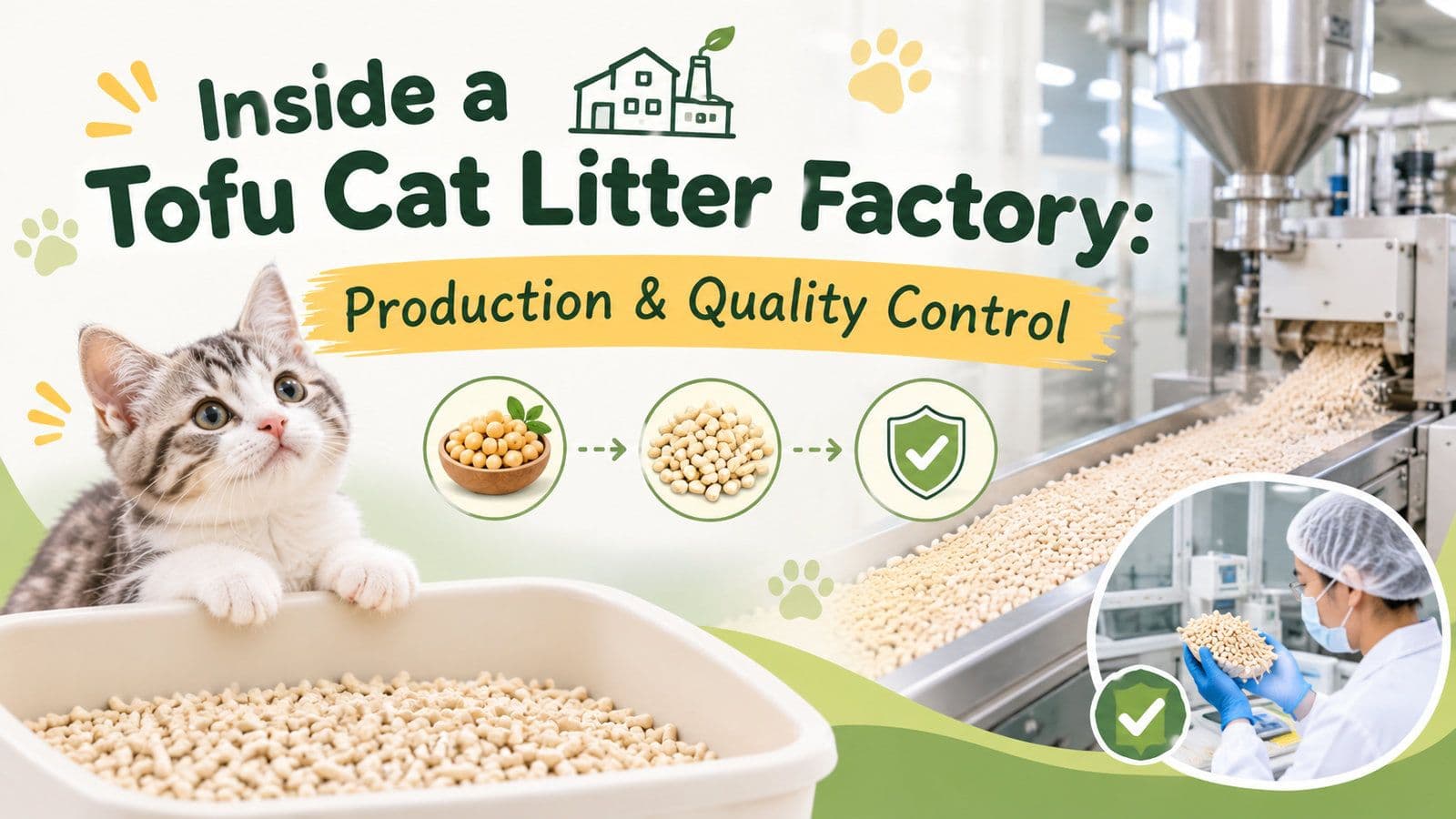
The performance of tofu cat litter depends on more than its formula. Raw-material handling, process control, and finished-product checks all influence pellet consistency, dust levels, absorption, and clumping. Turning a soybean-processing byproduct into a consistent litter product requires attention at each stage.
This guide introduces the main production steps and the quality-control points that matter when evaluating tofu cat litter or a manufacturing partner.
1. Where Does the Raw Material Come From?
Tofu cat litter is commonly made with okara, the fibrous soybean pulp left over during soy milk or tofu production. It is not usually made by pressing finished tofu blocks into pellets. Depending on the formula, manufacturers may also use starch-based binders, deodorizing ingredients, and other formulation aids. The exact composition varies by product and should be confirmed through its ingredient information.
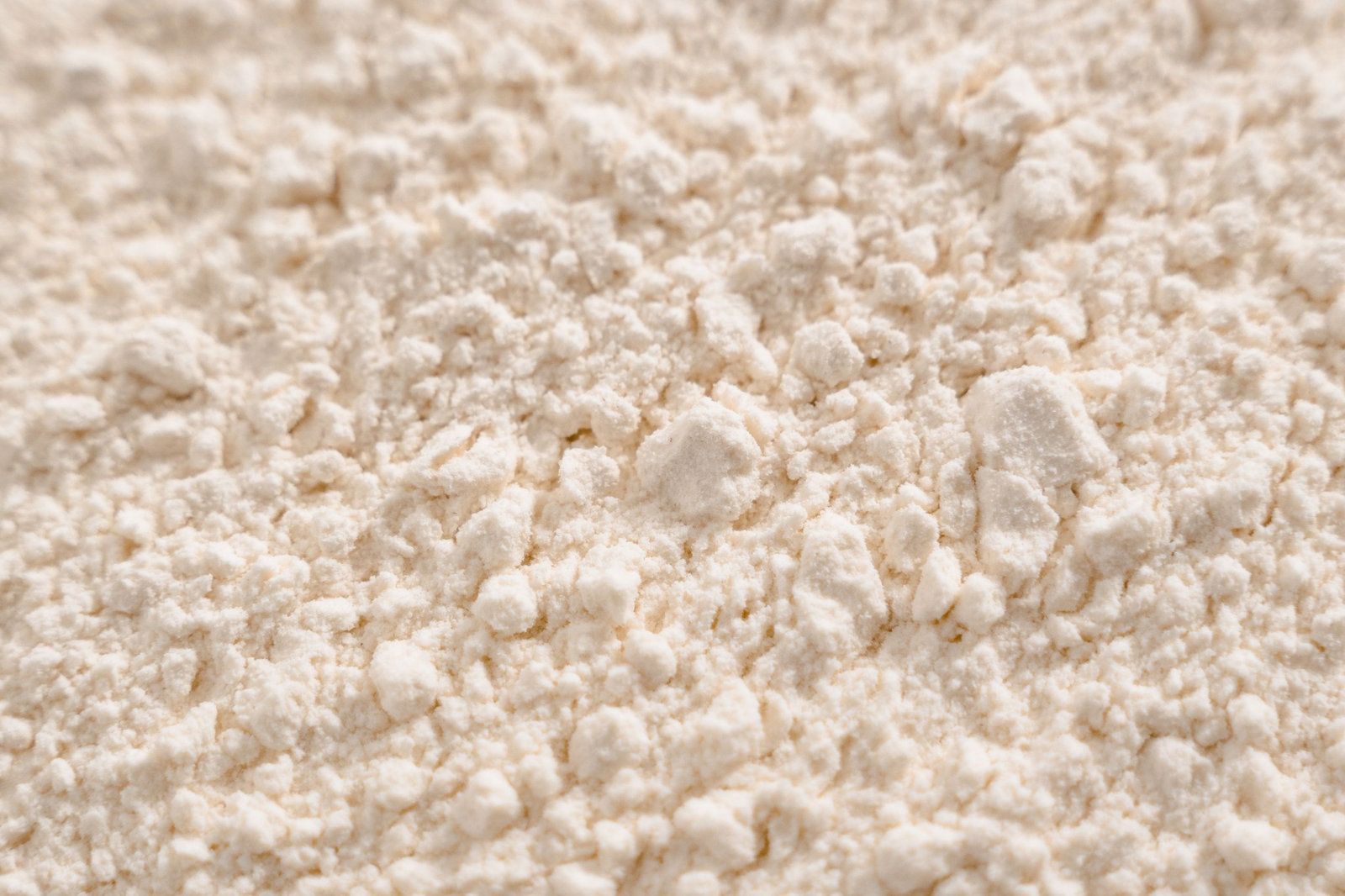
Raw-material control is the starting point for product quality. Manufacturers need to consider material condition, moisture, foreign matter, and batch consistency, along with appropriate handling, storage, and drying procedures. Variation in incoming materials can affect later processing stages.
2. The Main Stages of Tofu Cat Litter Production
Equipment, formulas, and process settings vary by factory, but production commonly includes the following stages.
1. Drying, Grinding, and Sieving
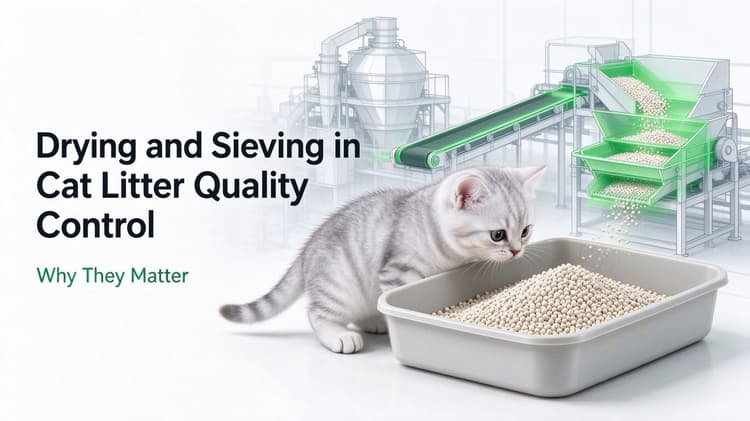
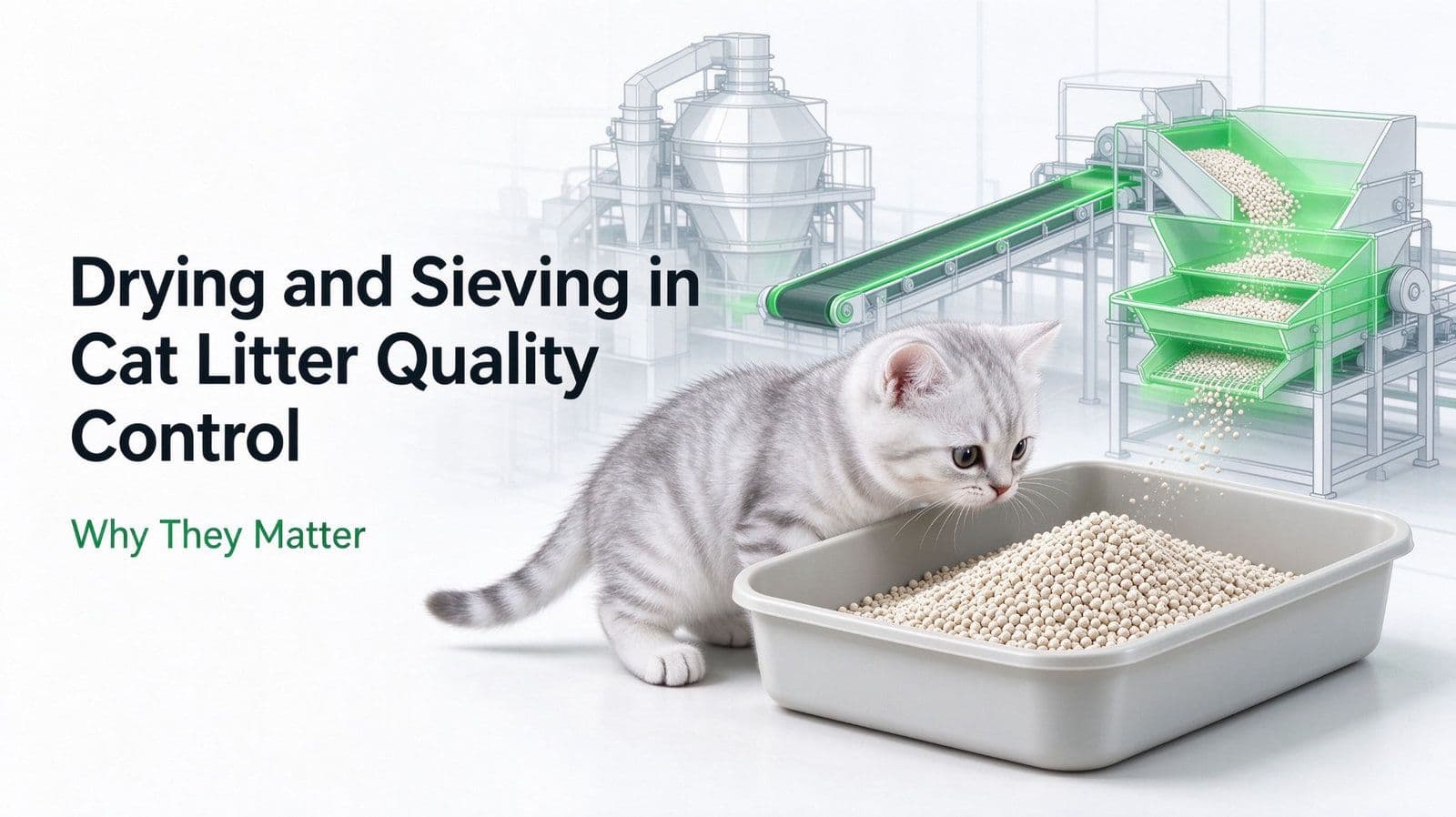
Raw material is dried as needed, then ground and sieved to achieve a more consistent particle size and remove oversized or unwanted material. Uniform material can support more consistent mixing and forming. Final dust levels, however, are also affected by extrusion, drying, screening, and product handling.
2. Ingredient Mixing and Moisture Conditioning
The main plant fibers are blended with the binders and other ingredients specified by the formula. Moisture may be adjusted to prepare the mixture for forming. Accurate weighing and consistent mixing help control pellet formation, strength, and absorption performance. Ingredient ratios and moisture targets should follow the product specification and equipment requirements; there is no single setting that applies to every product.
3. Extrusion and Pellet Cutting
The conditioned mixture is fed into forming equipment, often an extruder, where it passes through a die and is cut into pellets. Die design, equipment settings, and cutting conditions influence pellet dimensions and appearance. Pellet shape and consistency should be checked against the specification for the particular product.
4. Secondary Drying, Grading, and Dust Removal
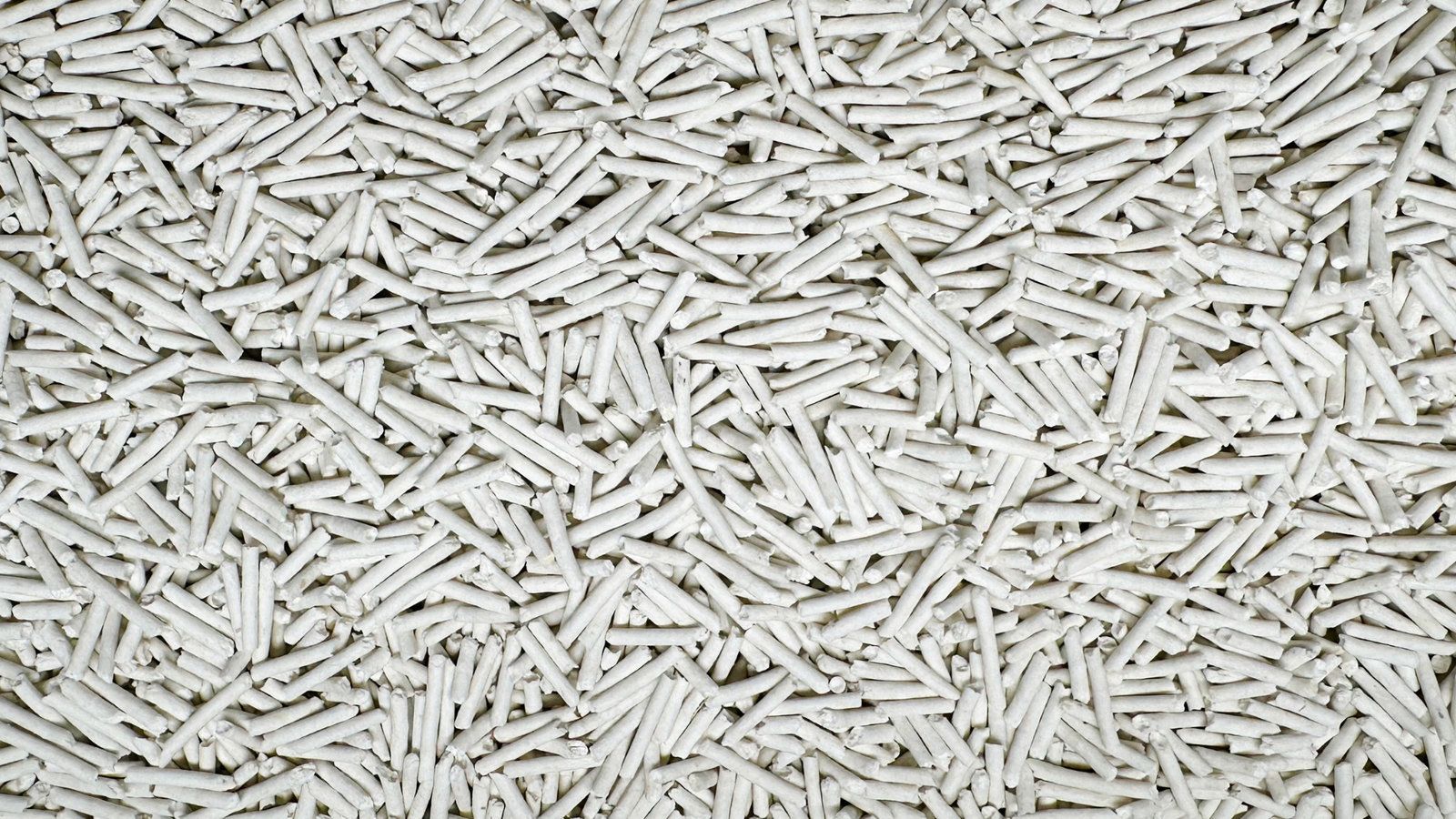
Newly formed pellets are usually dried further to reach a condition suitable for storage and transport. Screening removes broken pieces and fines. Some production lines also use aspiration, polishing, or other dust-control equipment to remove loose powder from pellet surfaces. The result should be assessed through finished-product checks rather than inferred from one process step alone.
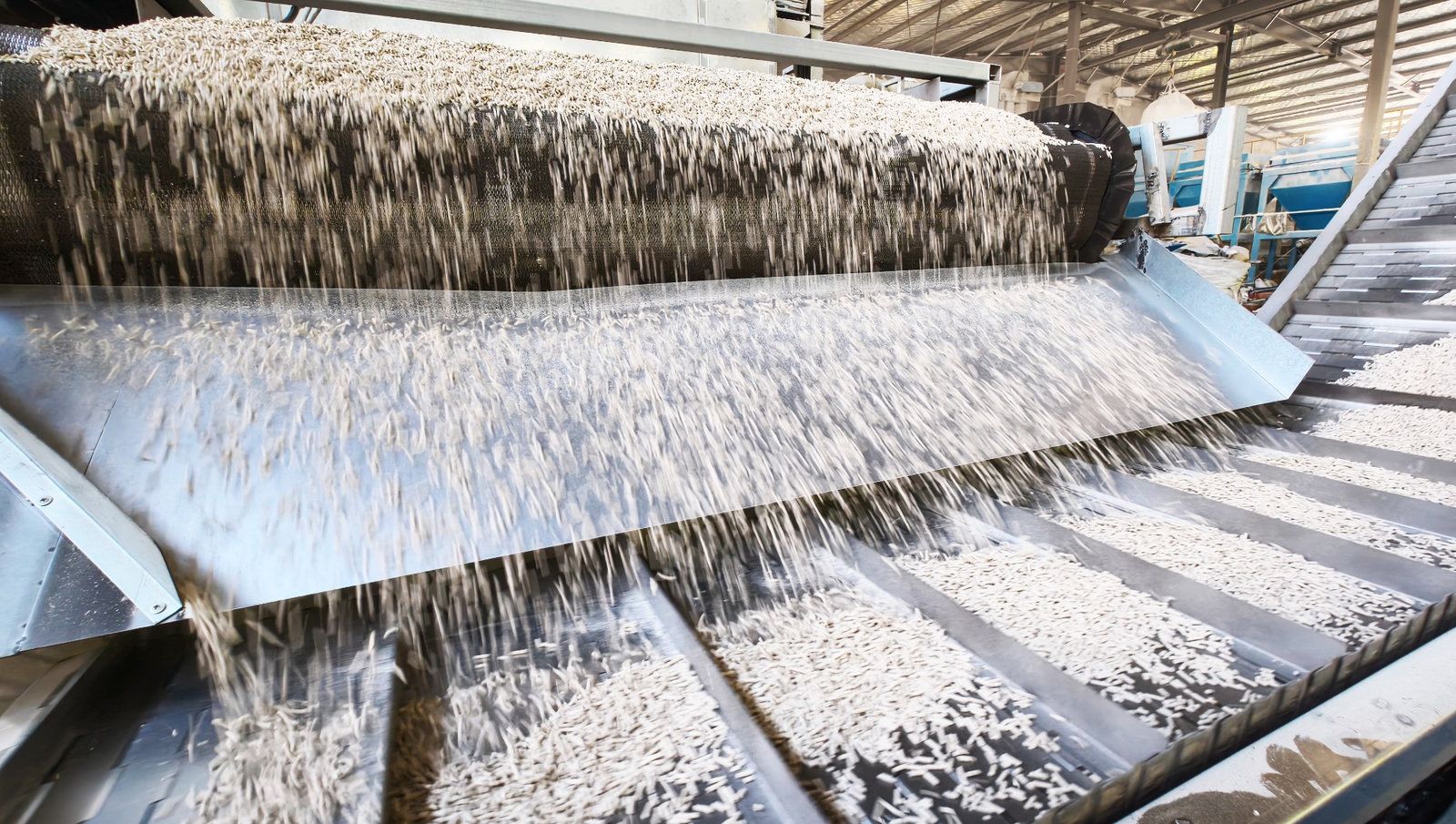
3. Quality Control: From Incoming Materials to Shipment
Quality control should cover incoming materials, production, finished-product inspection, packaging, and shipment—not just a final visual inspection. Checkpoints should be defined according to the product specification, customer requirements, and applicable standards, with records kept traceable where appropriate. Relevant checks may include:
- Incoming material and batch checks: Review material condition, moisture, foreign matter, and batch information according to internal requirements. Identify and hold unusual materials for review rather than allowing unassessed materials to move directly into production.
- Ingredient weighing and mixing: Check ingredient identity, quantities, and formula version; monitor mixing consistency and material condition to help reduce batch variation.
- Forming and drying checks: Monitor pellet length, diameter, shape integrity, and condition after drying against the relevant product specification. Pay attention to changes in appearance or performance after equipment or process adjustments.
- Screening, breakage, and dust management: Review screening effectiveness, broken-pellet levels, and fines. Also consider whether conveying, handling, or packing creates additional breakage.
- Finished-product performance: Assess absorption, clump integrity, and resistance to breaking during scooping against product-specific criteria. Different formulas may require different evaluation standards.
- Packaging and net weight: Check bag condition, seal integrity, label information, and net weight to reduce the risk of moisture exposure, leakage, or labeling errors.
- Storage and shipment: Store finished products appropriately, keep batches distinguishable, and check product type, batch, quantity, and outer packaging before dispatch.
- Records and traceability: Maintain incoming-material, production, inspection, and shipment records according to the actual management process. These records can help identify affected batches and investigate quality feedback.
Clumping Performance Is One Useful Quality Check
Clumping depends on the raw materials, binder system, pellet structure, and conditions of use. When assessing performance, observe whether clumps remain intact after absorbing liquid, whether they break apart during scooping, and whether excessive fines are produced. Results vary by formula, so product-specific testing and instructions are more useful than broad assumptions about all tofu litter.
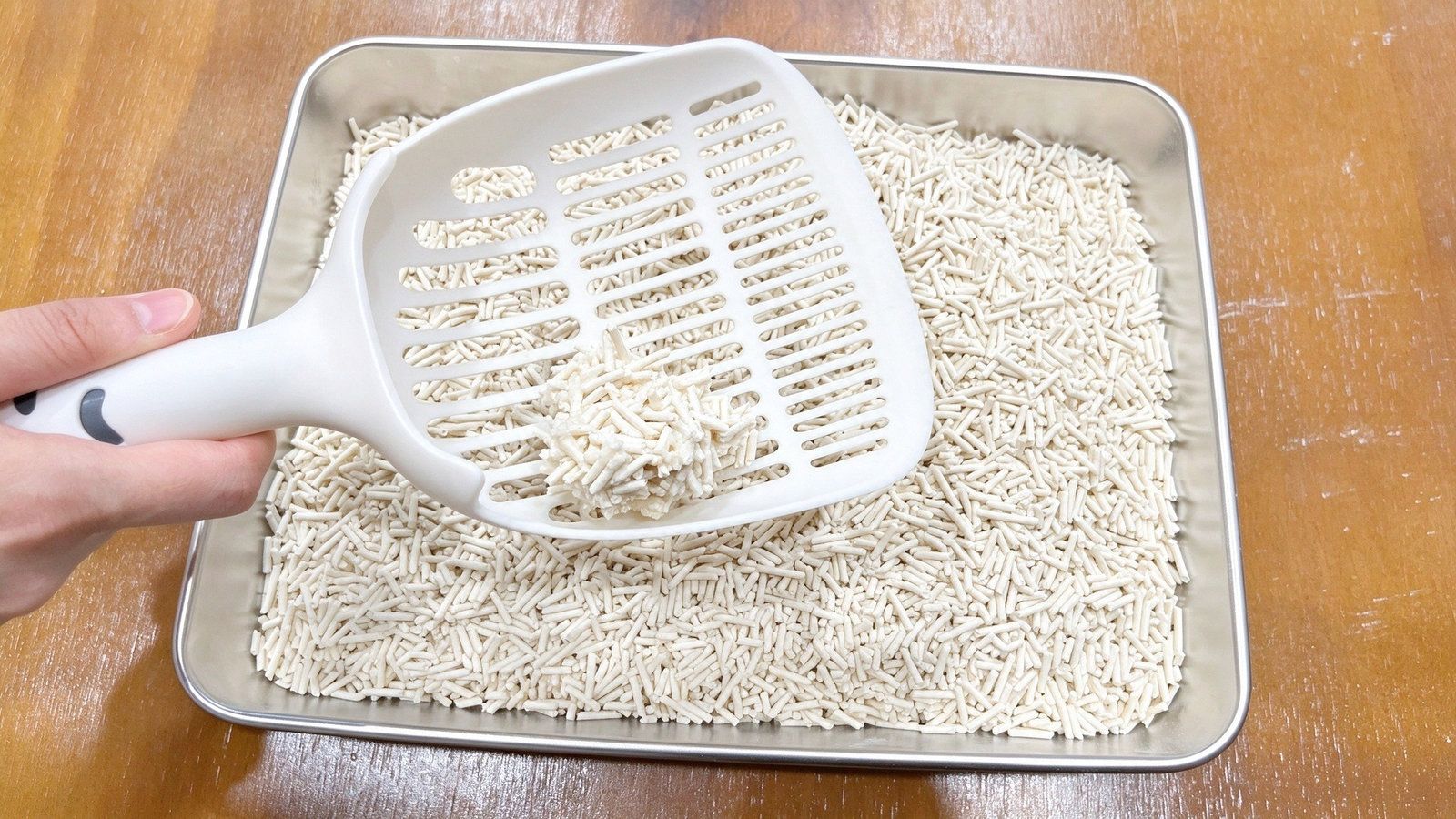
4. A Closer Look at Our Tofu Cat Litter Factory
Our facility has focused on plant-based cat litter since 2023, with an annual production capacity of 68,000 tons. We manufacture tofu and cassava cat litter for partners in more than 40 countries. Our approach emphasizes raw-material selection, controlled production conditions, and quality checks throughout the process to support the needs of different markets.
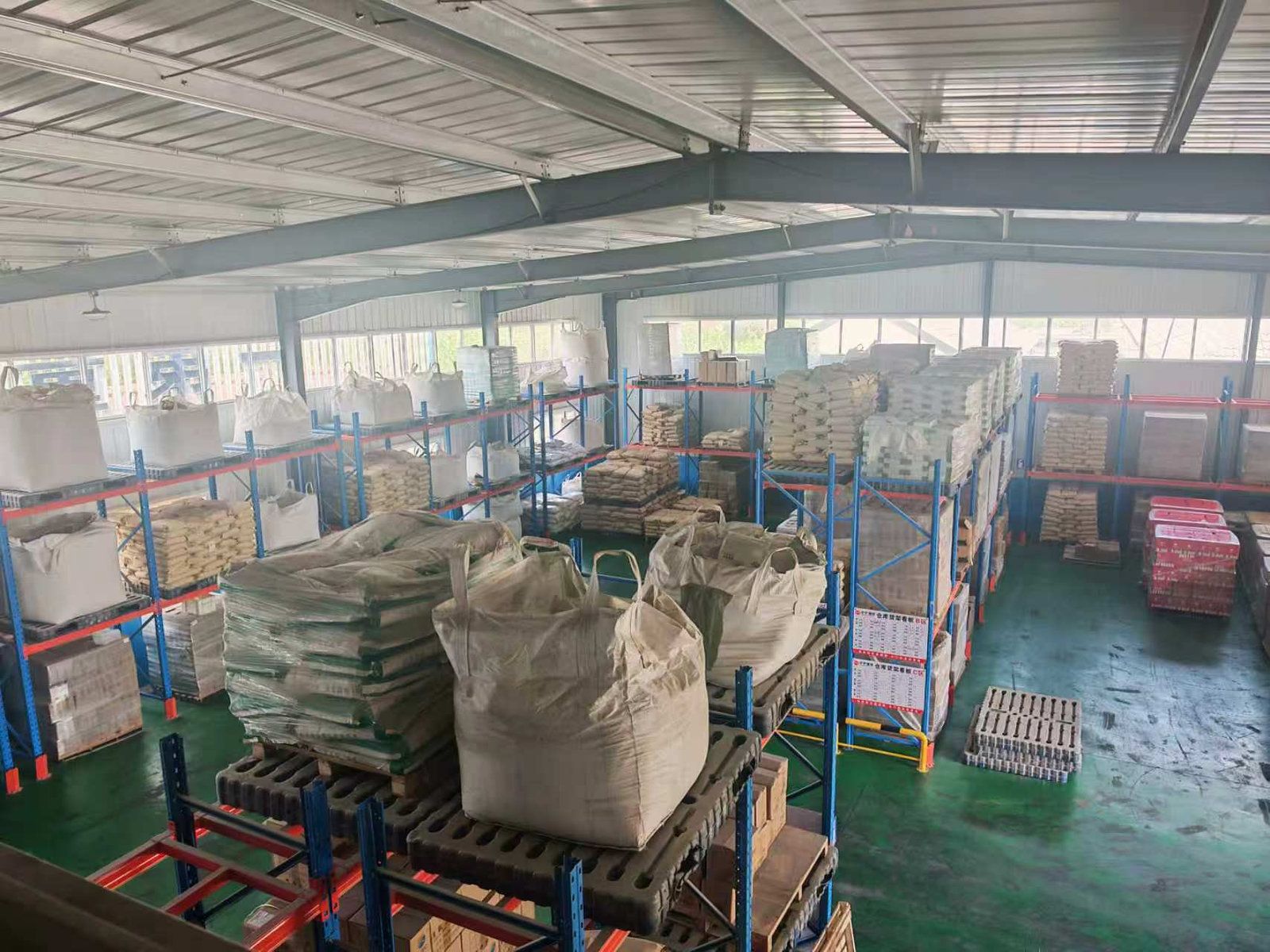
From the factory floor to finished-goods dispatch, organized material storage, clear product identification, and orderly warehousing all support production coordination and quality management. For brands, importers, and distribution partners, consistent processes, clearly defined quality requirements, and traceable batch records are useful factors when assessing a manufacturer.
5. What to Look for When Evaluating a Supplier
If you are comparing products or manufacturers, consider asking about:
- How raw materials and ingredients are controlled;
- Whether there are defined checks for pellet size, strength, dust, and clumping;
- Whether finished-product records and batch traceability are available;
- Whether claims such as low-dust, flushable, or environmentally friendly are supported for the specific product;
- Whether packaging suits the transport, storage, and sales requirements of the target market.
Conclusion
Tofu cat litter production commonly includes raw-material preparation, mixing, extrusion, drying, screening, dust management, quality checks, and packaging. Each stage can influence pellet consistency and product performance. Understanding the production process and quality-control approach helps brands and buyers assess both products and manufacturers more fully, rather than relying on packaging claims alone.