In June 2026, Europe is experiencing an unprecedented extreme heatwave. This is not just a weather event, but a stark climate warning – extreme summer heat in Europe is shifting from "exceptional" to "normal".
A Boiling Europe: A Heatwave That Came "Early, Strong, and Wide"
This year's European heatwave can be summed up in three words: early, strong, and wide. It began in late May, arriving one to two months earlier than the typical summer season.
June temperature records have fallen one after another: the UK broke its daily high-temperature record three consecutive days from June 24 to 26, reaching 37.3°C on the 26th; Möcken-Drewitz in eastern Germany recorded 41.5°C on June 27, breaking the all-time historical high for two consecutive days; France had just recorded its hottest day since national meteorological records began in 1947 on June 23, only to break that record again on the 24th; Spain's average temperatures on June 22 and 23 were 7.1°C above the normal historical average for that period.
According to AFP estimates, nearly 200 million people across Europe were exposed to temperatures above 35°C on June 27. About three-quarters of France's territory was under the highest-level red heat alert. WHO Director-General Tedros Adhanom Ghebreyesus stated, "150 million people are currently facing extreme heat."
The impact of this heatwave goes far beyond physical discomfort – AFP reported that since June 24, heat‑related deaths in France have exceeded 1,000; Europe has recorded more than 1,300 excess deaths linked to high temperatures. The heat has also caused railway tracks to warp and asphalt roads to soften, forcing several countries including France, the UK, and Germany to reduce rail and urban transit services. Nuclear power plants have been forced to shut down temporarily due to excessively high river water temperatures, driving electricity prices higher.
The Cat‑Owner's Dilemma Under High Temperatures
For Europe's tens of millions of cat‑owning households, this heatwave brings even more specific challenges. Europe is home to approximately 110–120 million cats, and the cat litter market is worth several billion euros. Under extreme heat, the drawbacks of traditional cat litter are magnified dramatically.
First, odour problems. High temperatures accelerate bacterial growth in the litter box; urea in urine decomposes in warm conditions to release ammonia, creating a much sharper smell. Traditional tofu litter, made mainly from soybean residue, tends to ferment in summer heat, emitting a sour odour. One cat owner complained, "The hot and humid weather triggers a chemical reaction between the litter and urine – it's unbearable."
Second, the burden of cleaning. Taking out the rubbish in sweltering heat is itself a torment – many European homes lack air‑conditioning, and indoor temperatures are just as stifling as outdoors. If you use non‑flushable mineral or bentonite litter, every clean‑up means hauling heavy bags outside – adding insult to injury.
Third, environmental pressure. Europe's increasingly stringent environmental regulations are driving demand for biodegradable litters. Traditional mineral litter is non‑degradable; a single bag equates to 2 kg of permanent waste. At a time of growing climate urgency, such unsustainable consumption is coming under increasing scrutiny.
Tofu Cat Litter: An Ideal Choice Under Heatwave Conditions
It is against this backdrop that tofu cat litter's advantages become especially clear.
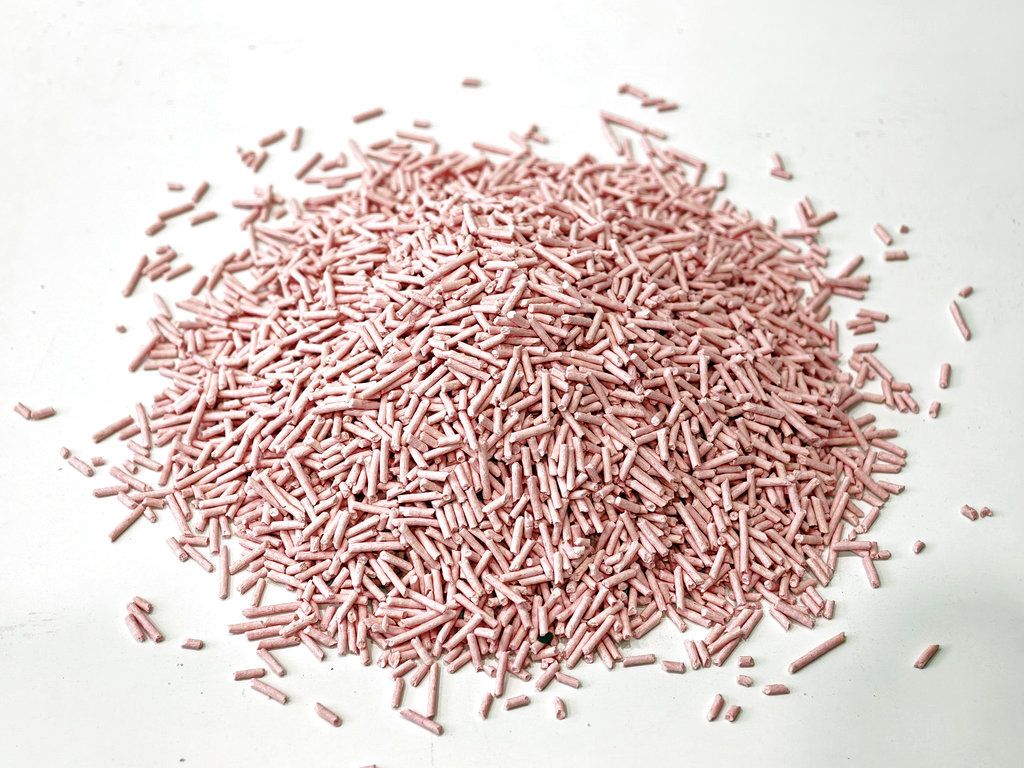
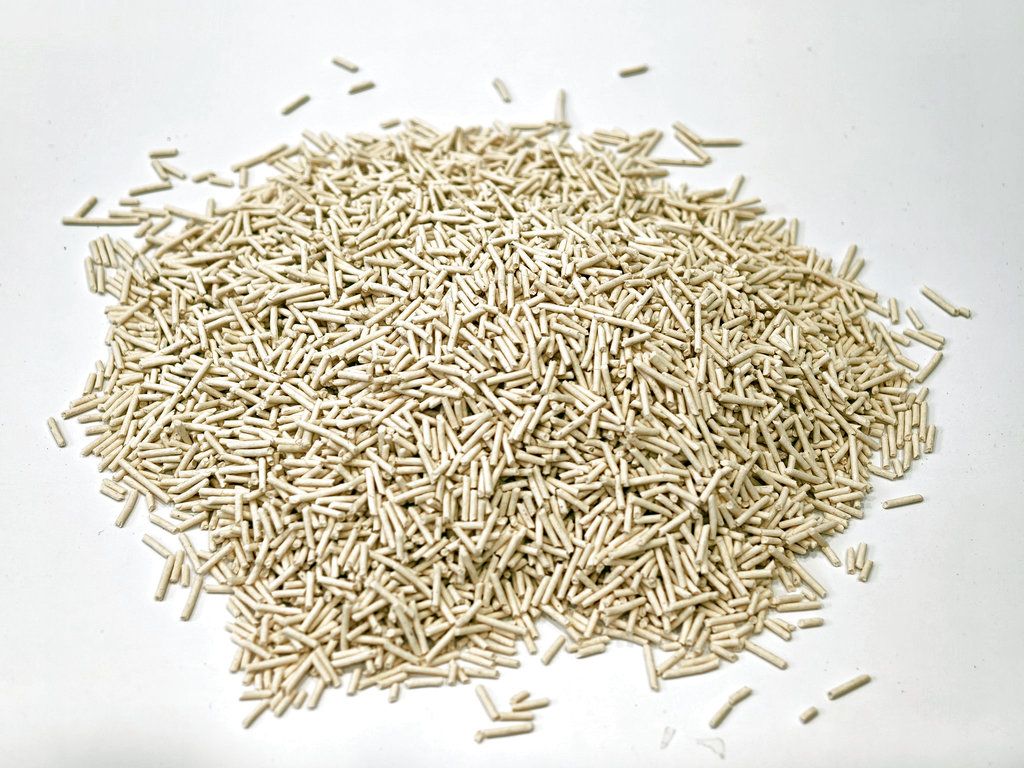
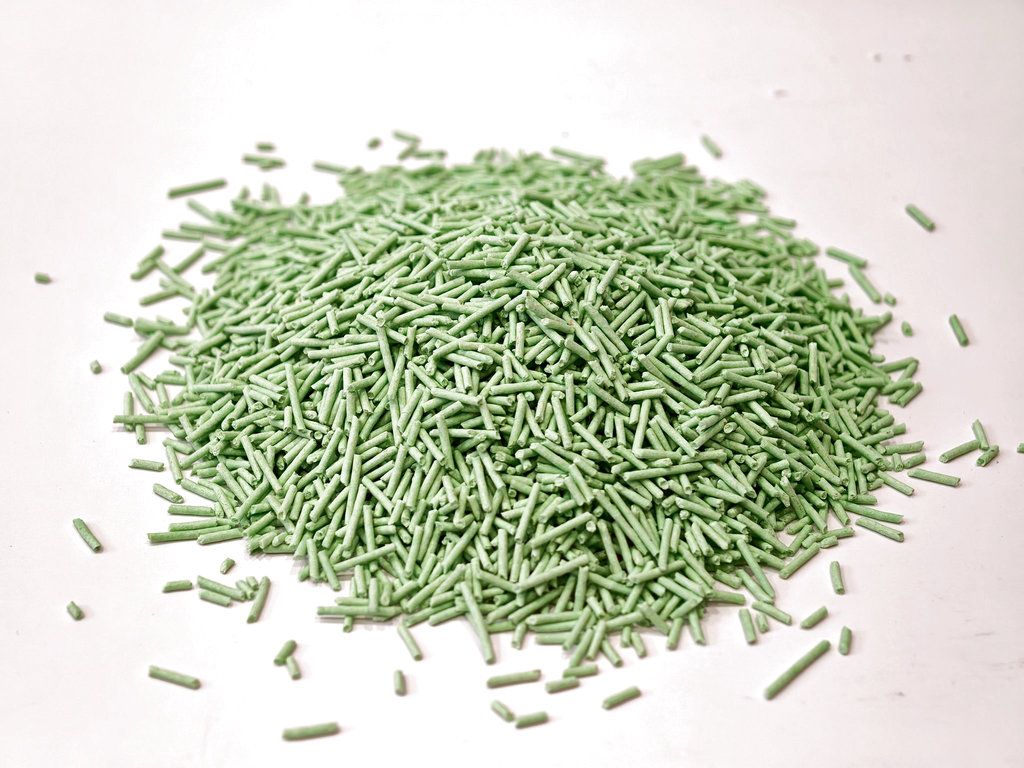
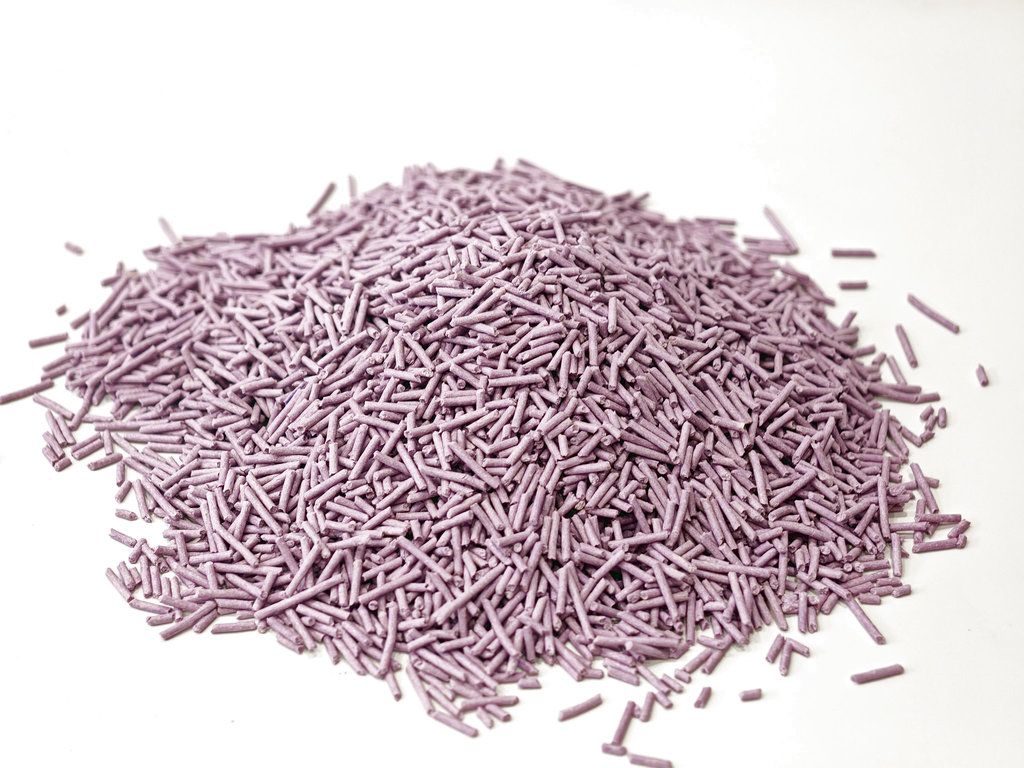
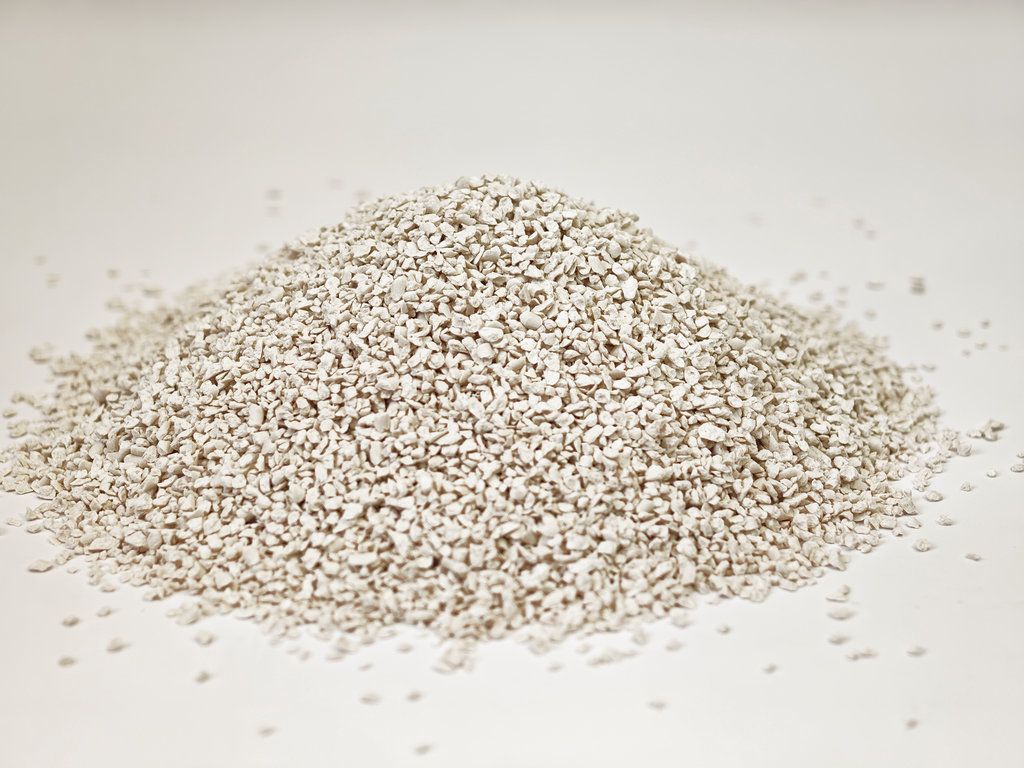
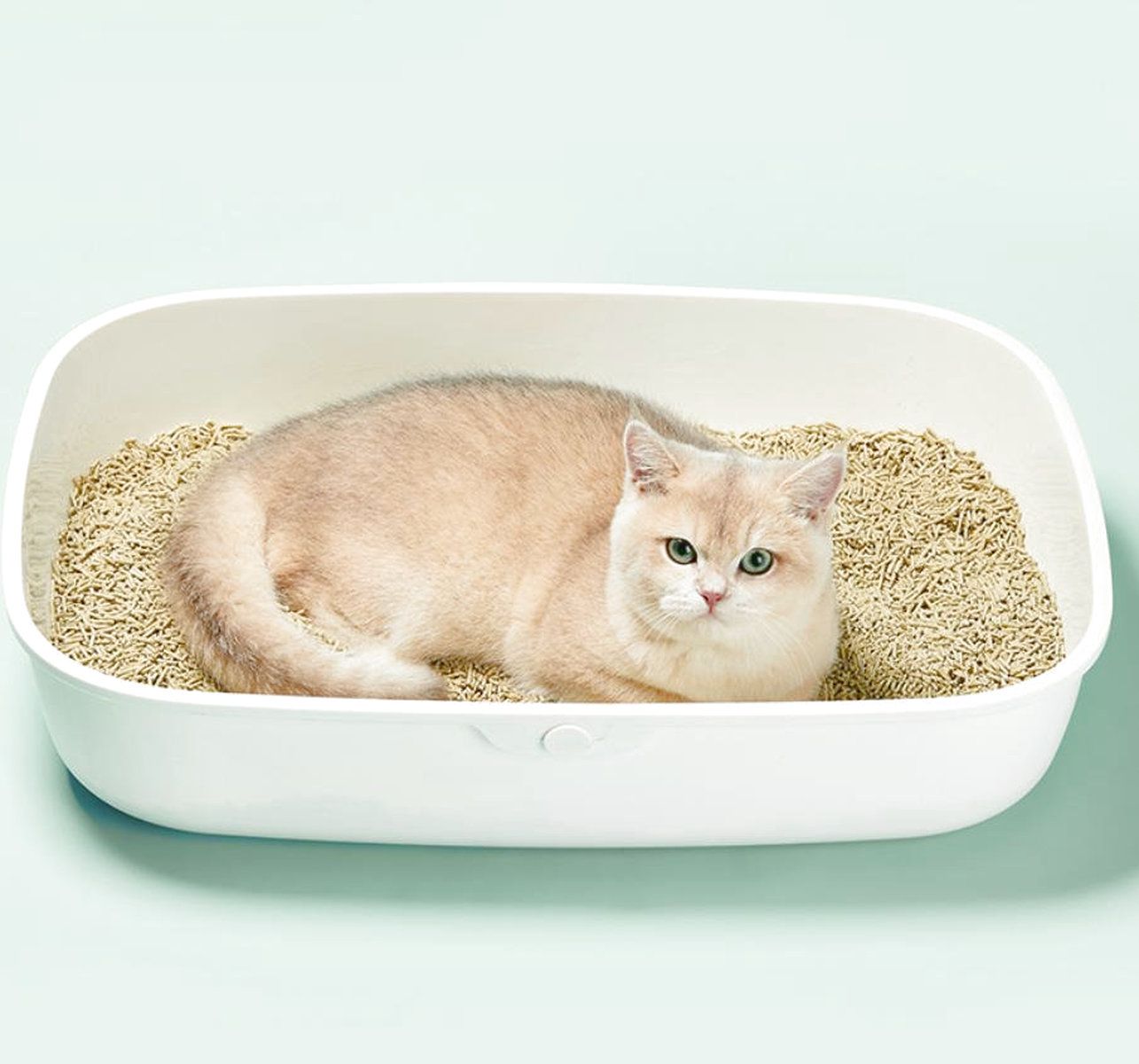
Natural antibacterial properties – no sour odour even in heat. Tofu litter is made from food‑grade corn, pea, or soybean fibre, extruded under high temperature. High‑quality tofu litter (especially those based on pea fibre) contains minimal residual protein and fat, greatly reducing bacterial growth – achieving odour control at the source. The soft tofu base is gentle on paws, and combined with the natural antibacterial fibre, "it stays fresh for three days even in summer without turning sour." Its strong absorbency locks urine in instantly, preventing prolonged contact with air that encourages bacterial proliferation, keeping the litter relatively dry even at temperatures above 30°C.
Flushable – skip the sweaty trip to the bin. Tofu litter dissolves in water and is flushable. You can simply scoop soiled litter and clumps directly into the toilet – no need to trek downstairs with heavy waste bags. On days when the mercury hits 35°C or more, this convenience is no small matter – it means less sweat, less hassle.
Virtually dust‑free – protecting both human and feline respiratory tracts. Traditional mineral litter often generates significant dust, which can irritate airways with prolonged inhalation. Tofu litter produces almost no dust, even when pouring. In heatwaves when windows are closed and air conditioning is running, this dust‑free feature is especially valuable.
Naturally eco‑friendly – aligning with European values. Tofu litter is natural, non‑toxic, and biodegradable. European consumers are shifting from standardised products to premium options, with plant‑based, biodegradable litters seeing rapid growth. Moreover, Europeans are notably restrained with scented litters – in France, unscented litter usage is 89%, and in the UK 86%. Tofu litter's natural, unscented or lightly botanical aroma perfectly matches European preferences.
Lessons from a Heatwave‑Normal Future
As experts have warned, the frequency and intensity of heatwaves will increase in the coming decade, and temperature records will continue to be broken. Climate change is not going away – what we can do is adapt better.
For cat‑owning households in Europe and beyond, choosing a litter suited to high‑temperature conditions is not only a matter of caring for your cat's health but also of improving your own quality of life. With its natural antibacterial properties, flushability, dust‑free nature, and eco‑friendliness, tofu cat litter is emerging as a "cool solution" for the litter box in an era of extreme heat.
When heatwaves become the norm, let the little chore of scooping be a little less burdensome and a little more comfortable.